

Steel Building Home Kits: Complete Buyer’s Guide for 2026
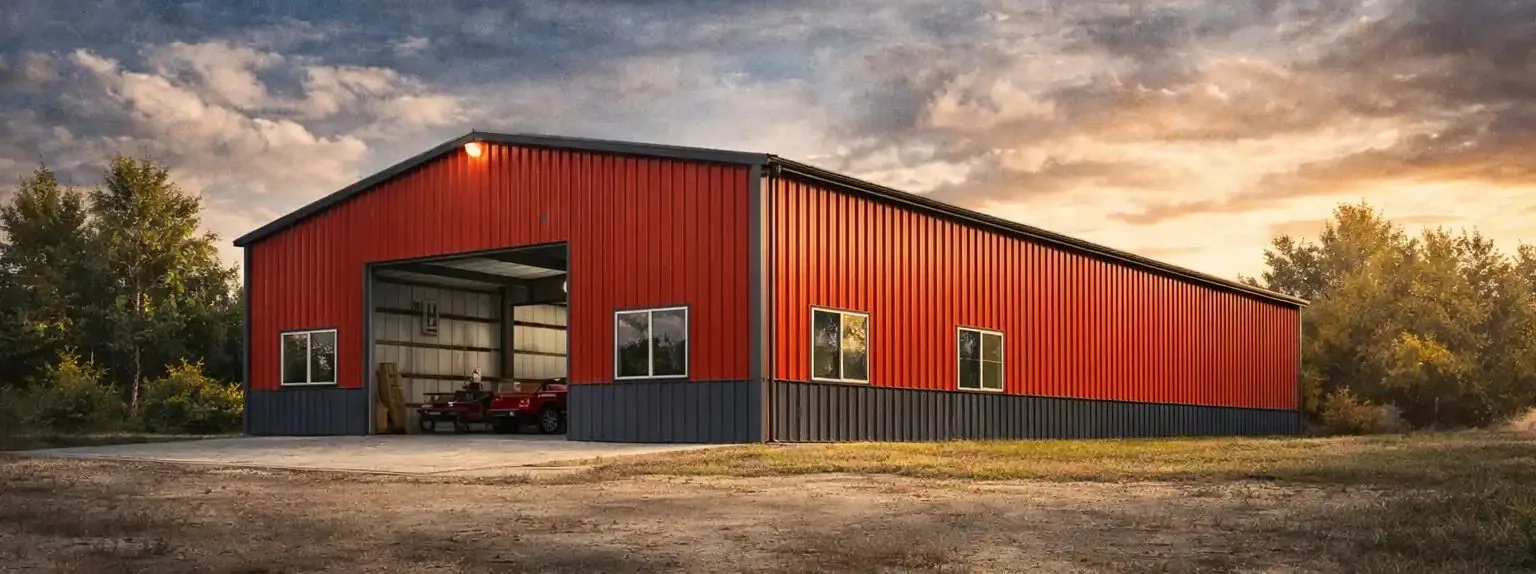
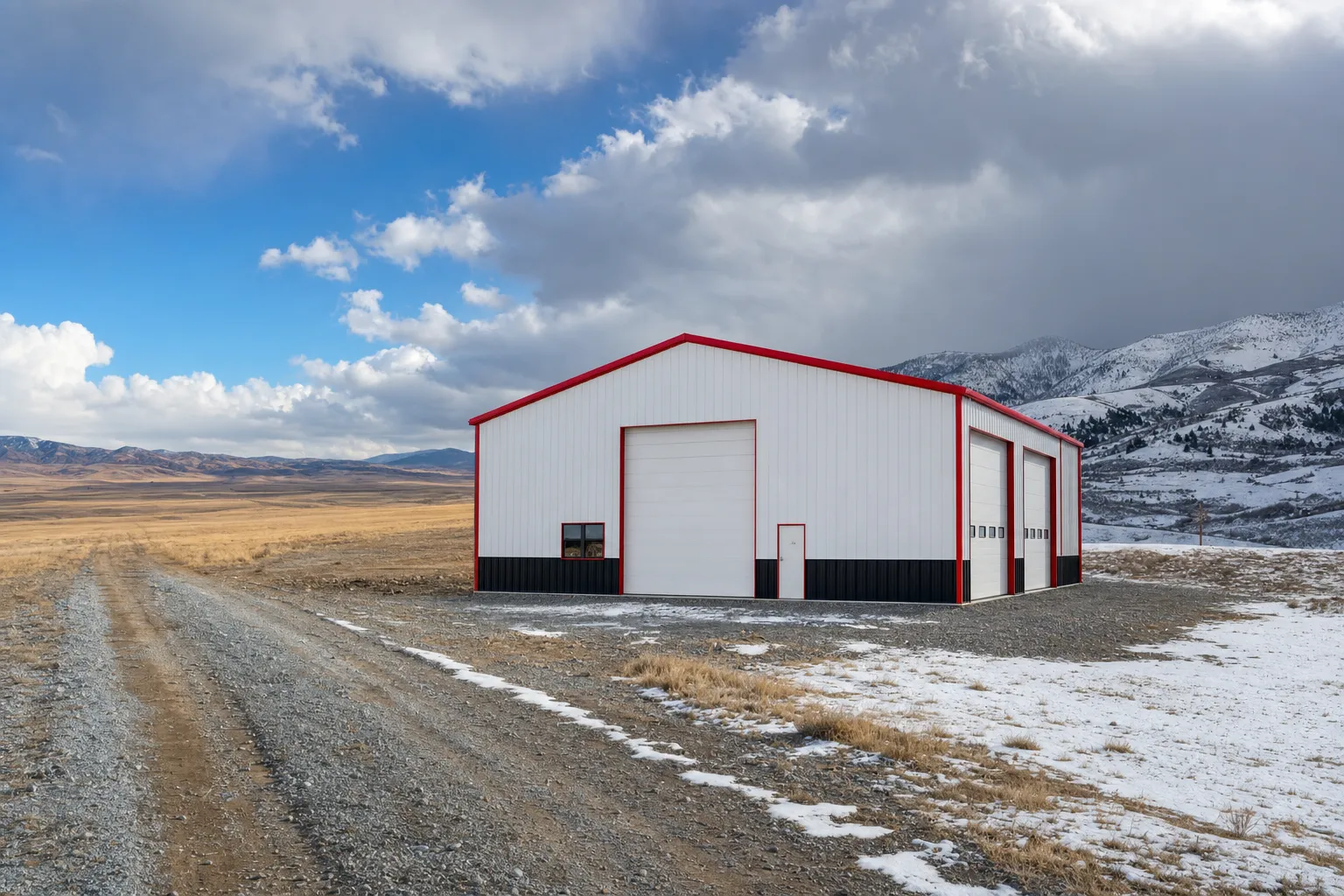
Steel building home kits have moved well beyond the warehouse-look stigma. In 2026, buyers across the country are putting up steel-framed residential homes with full kitchens, open floor plans, and wraparound porches for 20-30% less than a comparable stick-built house. The kit delivers every structural steel component cut, drilled, and numbered for assembly. If you are also considering a barndominium layout, our barndominium kits guide covers the hybrid live-work designs that have exploded in popularity. For company comparisons, our Top 10 Steel Building Kit Companies review ranks them side by side.
QUICK ANSWER: Steel Building Home Kits
Steel building home kits cost $16 to $50 per square foot for the structural kit alone. A complete move-in-ready steel home runs $100 to $180 per square foot depending on finish level. On a 2,000 sq ft home, that means $32,000 to $100,000 for the kit and $200,000 to $360,000 fully finished. Steel homes are typically 30-50% faster to build and 15-25% cheaper than comparable stick-built construction.
1. What Is a Steel Building Home Kit?
A steel building home kit is a pre-engineered package of structural steel components designed specifically for residential construction. The kit ships to your site with every frame member, panel, connection bolt, and fastener numbered and labeled for assembly.
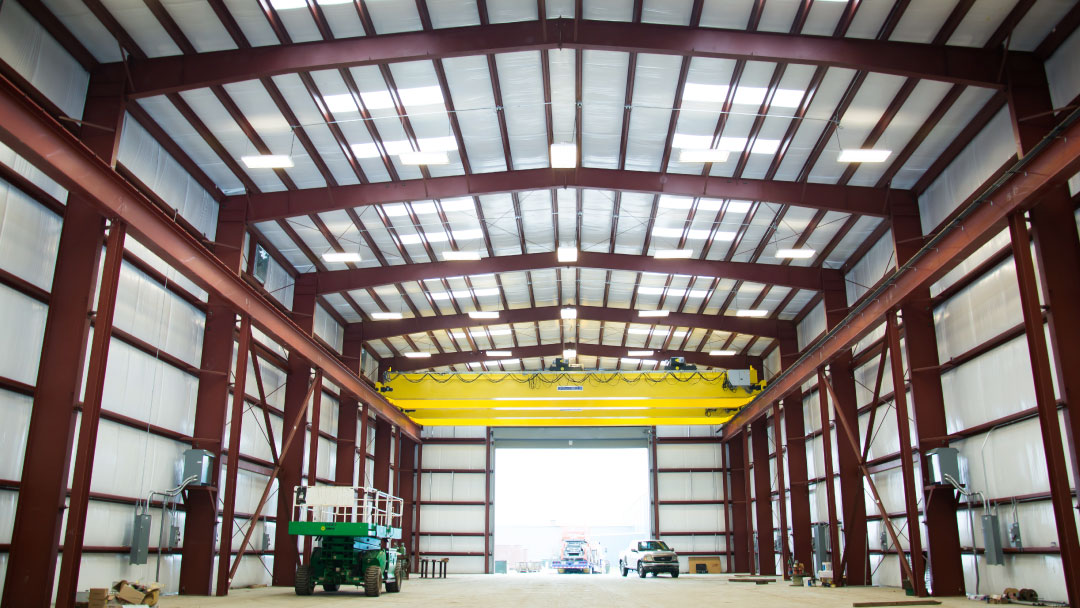
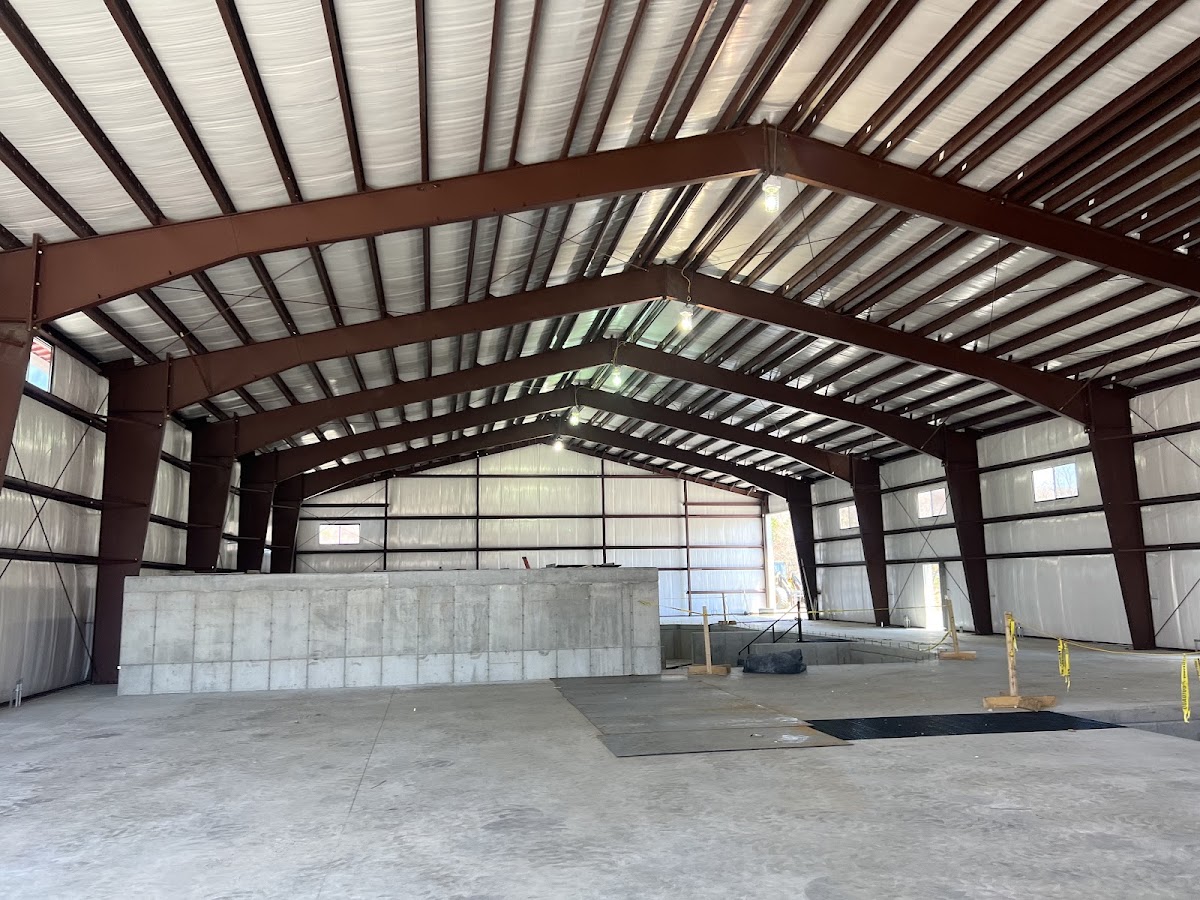
A typical residential steel kit includes: the primary steel frame with red iron I-beam columns and rafters, secondary framing including purlins and girts, roof panels in your chosen profile and gauge, wall panels or steel siding, standard door and window rough openings, ridge cap and trim, anchor bolt layout template, PE-stamped engineering drawings, and the assembly manual.
A steel kit does NOT include: the foundation or concrete slab, interior framing for drywall walls, insulation, electrical, plumbing and HVAC, drywall, flooring, cabinetry, interior finishes, or exterior cladding upgrades like brick or stone veneer.
KEY INSIGHT
The steel kit is typically 40-50% of the total project cost. The other 50-60% is foundation, trades including electrical plumbing and HVAC, insulation, and interior finishing. Budget for both before committing to a project size.
2. Steel Building Home Kit Costs in 2026: Complete Price Breakdown
| Home Size | Kit-Only Cost Range | Cost Per Sq Ft |
|---|---|---|
| 1,000 sq ft | $16,000 to $40,000 | $16 to $40/sqft |
| 1,500 sq ft | $24,000 to $60,000 | $16 to $40/sqft |
| 2,000 sq ft | $32,000 to $80,000 | $16 to $40/sqft |
| 2,500 sq ft | $40,000 to $100,000 | $16 to $40/sqft |
| 3,000 sq ft | $48,000 to $120,000 | $16 to $40/sqft |
| Home Size | Fully Finished Move-In Cost | Cost Per Sq Ft |
|---|---|---|
| 1,000 sq ft | $100,000 to $180,000 | $100 to $180/sqft |
| 1,500 sq ft | $150,000 to $270,000 | $100 to $180/sqft |
| 2,000 sq ft | $200,000 to $360,000 | $100 to $180/sqft |
| 2,500 sq ft | $250,000 to $450,000 | $100 to $180/sqft |
| 3,000 sq ft | $300,000 to $540,000 | $100 to $180/sqft |
Cost breakdown for a 2,000 sq ft home: steel kit $40,000 to $80,000 (20-30%), foundation and slab $16,000 to $28,000 (8-12%), erection and assembly labor $20,000 to $36,000 (10-15%), insulation $10,000 to $20,000 (5-8%), electrical $15,000 to $25,000 (8-12%), plumbing $15,000 to $25,000 (8-12%), HVAC $12,000 to $22,000 (6-10%), and interior finishes $30,000 to $60,000 (15-25%). Use our Steel Building Cost Calculator for a location-specific estimate.
KEY INSIGHT
2026 steel prices: Hot-rolled coil steel is trading at approximately $970 to $984 per short ton. About 54% of industry analysts expect moderate price gains through mid-2026. If you have a project planned, locking in a quote now is smarter than waiting for a price drop that may not materialize.
3. Steel Home vs. Stick-Built Home: Direct Comparison
| Factor | Steel Building Home | Stick-Built Wood Frame |
|---|---|---|
| Construction cost | $100 to $180/sqft finished | $150 to $250/sqft finished |
| Construction speed | 30-50% faster | Standard timeline |
| Lifespan | 50 to 100+ years | 30 to 75 years |
| Fire resistance | Excellent — steel is non-combustible | Lower — wood is combustible |
| Pest resistance | Excellent — no termite risk | Vulnerable to termites and rot |
| Insulation performance | Requires careful thermal detailing | More forgiving insulation design |
| Insurance costs | Often lower for fire and wind coverage | Standard rates |
| Mortgage availability | Some lenders less familiar with steel | Standard conventional loans |
| Design flexibility | Large open spans possible | Limited by structural load spans |
| Maintenance | Low — no rot or termites | Higher over time |
For buyers in hurricane zones, tornado alley, or wildfire areas, steel’s structural resilience is a major factor. See how steel compares to other structure types in our Steel Buildings vs Pole Barns comparison guide.
4. Pros and Cons of Steel Building Home Kits
The Real Pros
Speed of construction. A typical residential steel kit can be erected in 1-2 weeks once the slab is cured, versus 4-6 weeks for wood framing. Your project hits shell-complete faster, which reduces exposure to weather delays and keeps trades on schedule.
Open floor plans without load-bearing interior walls. Steel I-beam frames can span 60-80 feet without interior columns. This lets you design a 2,000 sq ft home with zero interior load-bearing walls — open floor plans that simply are not achievable in wood frame construction at the same cost.
Fire resistance. Steel is non-combustible. In wildfire-prone areas of California, Colorado, and Texas, this matters for both safety and insurance rates. Many insurers offer discounts for steel-framed homes.
Pest and rot immunity. Termites cannot eat steel. Moisture will not rot a steel I-beam. In humid coastal areas, the long-term maintenance savings are substantial.
Disaster resistance. Properly engineered steel homes can withstand 130-160 mph winds. Several steel homes survived Category 4 and 5 hurricanes while neighboring wood-frame homes were destroyed.
The Real Cons
Thermal bridging is a serious issue if ignored. Steel conducts heat 400 times better than wood. Without a continuous exterior insulation layer or a thermal break, your wall’s effective R-value drops dramatically. Spray foam insulation, insulated metal panels, or a continuous rigid foam exterior layer all solve this — but it adds cost and requires a designer who understands steel-specific thermal detailing.
Condensation risk in humid climates. Cold steel surfaces attract condensation in mixed-humid and hot-humid climate zones. A properly designed vapor control strategy is non-negotiable. This is one area where a building designer with specific steel home experience is worth every dollar.
Financing can be harder to arrange. Some loan officers are unfamiliar with steel homes. Work with a lender who has experience with metal building homes or reach out to lenders specializing in owner-builder and construction loans.
BUYER WARNING
Do not hire a general contractor who has never built a steel-framed home for your residential project. Steel erection has specific techniques for plumbing, bracing, and connection torque that differ from wood framing. A contractor unfamiliar with steel may void your structural warranty on the first day. Ask for references from at least 2 completed steel residential projects before signing.
5. Popular Steel Home Floor Plans and Sizes
| Size | Square Footage | Best Use Case |
|---|---|---|
| 30×40 | 1,200 sq ft | Starter home, guest house, ADU |
| 40×50 | 2,000 sq ft | 3-bed 2-bath family home |
| 40×60 | 2,400 sq ft | Spacious 3-4 bed family home |
| 50×60 | 3,000 sq ft | Large family home with bonus room |
| 50×80 | 4,000 sq ft | Luxury home or home plus shop combination |
| 60×80 | 4,800 sq ft | Estate-size home or barndominium |
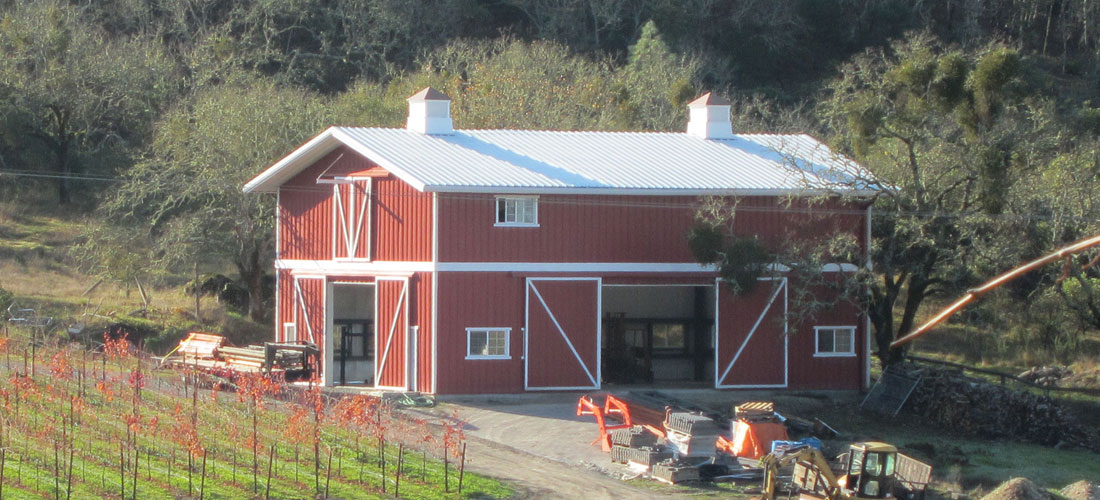
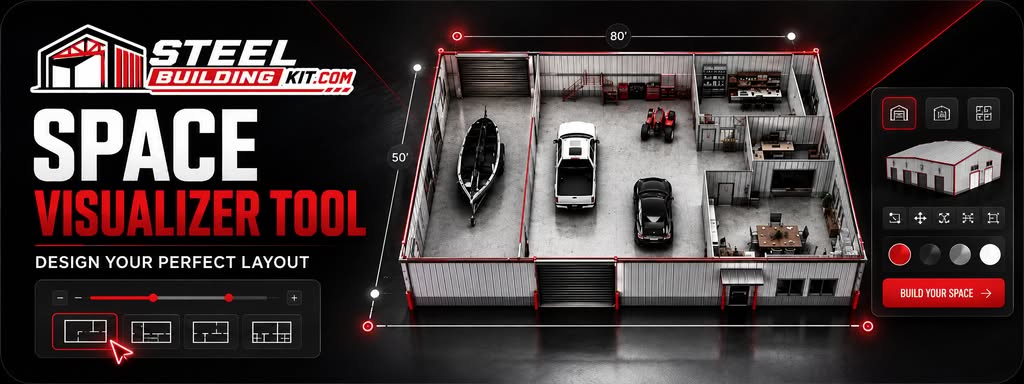
Popular floor plan concepts include the Open Ranch (single-story, no interior load-bearing walls, open kitchen-living-dining), the Lofted Barn Home (two-story with mezzanine-style upper floor and dramatic ceiling heights), the Barndominium Hybrid (living quarters on one side and shop on the other under a single roofline), and the Modern Farmhouse (steel structure clad with board-and-batten and stone accent with a wraparound porch).
6. Which Companies Sell Steel Building Home Kits?
Not every steel building manufacturer sells residential kits. General Steel is one of the larger residential kit providers with customized designs and engineering included. Mueller Inc. is a Texas-based manufacturer with a strong residential and barndominium product line and direct-to-consumer pricing without broker markup. Worldwide Steel Buildings offers both standard and custom residential designs with a 3D design configuration tool. SteelMaster Buildings specializes in Quonset-style arch-rib designs at a lower price point. Nucor Building Systems handles large residential and estate projects at a higher price point with exceptional engineering documentation. For a full comparison see our Steel Building Kit Companies directory.
KEY INSIGHT
The difference between a manufacturer and a broker matters enormously for residential projects. A manufacturer builds the steel. A broker sources it from a manufacturer and marks up the price 20-40%. For a $60,000 residential kit, that’s $12,000 to $24,000 extra for nothing. Always ask: “Do you manufacture your steel frames, or do you source them?” See our Steel Building Kit Info and Reviews page for manufacturer verification tips.
7. Financing a Steel Building Home
Construction-to-Permanent Loans are the most common approach. The lender funds construction in draws as each phase completes, then converts to a standard mortgage when the home is finished. You will need a licensed contractor and a building permit. USDA Rural Development loans offer 0% down payment and competitive interest rates for properties in rural areas — one of the best options for rural steel home buyers. VA Construction Loans can finance steel-framed homes for veterans. Owner-Builder Loans are available from specialty lenders if you are serving as your own general contractor, though expect higher interest rates and 20-30% down payment requirements.
For business-use properties, IRS Section 179 allows immediate deduction of the full cost of qualifying improvements up to $1,220,000 in 2026. Consult your tax advisor since this can significantly reduce the real after-tax cost of your project.
8. Five Things to Confirm Before Ordering a Steel Home Kit
1. PE-stamped drawings are included for your state. Confirm in writing that engineering drawings will be certified by a PE licensed in your state with load calculations specific to your county’s wind speed, snow load, and seismic category.
2. The manufacturer is actually a manufacturer. Ask directly whether they fabricate the steel frames at their own facility. A legitimate manufacturer will have a specific plant address.
3. What is included vs. what is extra. Get a line-item list of every component in the kit. Windows, doors, insulation, and trim are frequently add-ons that change the all-in price significantly.
4. Lead time is confirmed. Steel building kit lead times run 8-20 weeks from order to delivery. Confirm the current lead time before committing your construction crew schedule.
5. Warranty terms are in writing. Get the structural warranty, paint warranty, and any workmanship guarantees in the contract — not just the brochure. Understand what voids the warranty.
Common Mistakes When Buying Steel Home Kits
| Mistake | Why It Costs You | Fix |
|---|---|---|
| Skipping a steel-experienced contractor | Wrong assembly voids warranty and structural errors cost $20,000+ to fix | Hire a contractor with documented steel building experience and references |
| Ignoring thermal bridging in the design | R-value drops 40-60% through steel members and energy bills are dramatically higher | Specify continuous exterior insulation or insulated metal panels upfront in design |
| Not accounting for interior finish costs | Kit looks affordable but move-in costs 3-4x the kit price | Budget $100 to $180 per sq ft total before committing to your home size |
| Ordering before permit approval | Permit denied due to zoning issues and you are stuck with a delivered kit | Apply for permit first or simultaneously with your order |
| Comparing quotes without matching specs | Quote A includes windows, Quote B does not — a $12,000 difference you do not see | Get itemized quotes from all suppliers on identical specifications |
| Choosing standard kit without site-specific engineering | Generic drawings fail permit review and delay your project by months | Always specify site-specific PE-stamped drawings in your order |
Article Summary: Steel Building Home Kits
- Steel building home kits cost $16 to $50 per sq ft for the structural kit and $100 to $180 per sq ft fully finished
- A complete 2,000 sq ft steel home runs $200,000 to $360,000 move-in ready in 2026
- The steel kit represents 40-50% of total project cost — budget for foundation, trades, and finishes
- Steel homes build 30-50% faster than wood frame and typically cost 15-25% less to construct
- Key advantages include fire resistance, pest immunity, open-span floor plans, and disaster resistance
- Key challenges include thermal bridging, condensation risk in humid climates, and financing unfamiliarity
- Financing options include construction-to-permanent loans, USDA rural loans, and VA construction loans
- The biggest mistake is not accounting for the full move-in cost when comparing kit prices
- Always verify PE-stamped drawings are included, confirm manufacturer vs. broker status, and get itemized component lists
- Lock in your quote now rather than waiting given steel price trends expected through mid-2026
Frequently Asked Questions
Are steel building homes cheaper than regular houses?
Steel building homes cost $100 to $180 per square foot fully finished, compared to $150 to $250 per square foot for comparable stick-built wood frame homes in 2026. The structural kit is cheaper and faster to assemble, but interior finishing costs are similar to any other home. Run the numbers for your specific project using our Steel Building Cost Calculator.
How long does a steel building home last?
A properly maintained steel building home has a structural lifespan of 50 to 100+ years. The steel frame is protected by factory-applied zinc galvanizing or primer coatings. Roof and wall panels typically carry 30-40 year paint warranties. The structural frame warranty from major manufacturers like General Steel and Mueller Inc. is commonly 25-50 years.
Can I get a traditional mortgage on a steel building home?
Yes, once the home is complete and appraised. During construction you will typically use a construction loan. The completed steel home can be refinanced into a conventional 30-year mortgage, FHA loan, or VA loan as long as it meets standard appraisal requirements for livability and safety. Work with a lender who has previous experience appraising steel or metal-framed homes to make the process smoother.
Do steel homes have good insulation?
With proper design, yes. Without deliberate thermal break details, steel conducts heat through wall and roof members and reduces overall R-value significantly. The best approach is spray foam insulation filling the cavity plus a continuous exterior rigid insulation layer. When specified and installed correctly, steel homes meet and exceed modern energy code requirements.
What does a steel home look like from the outside?
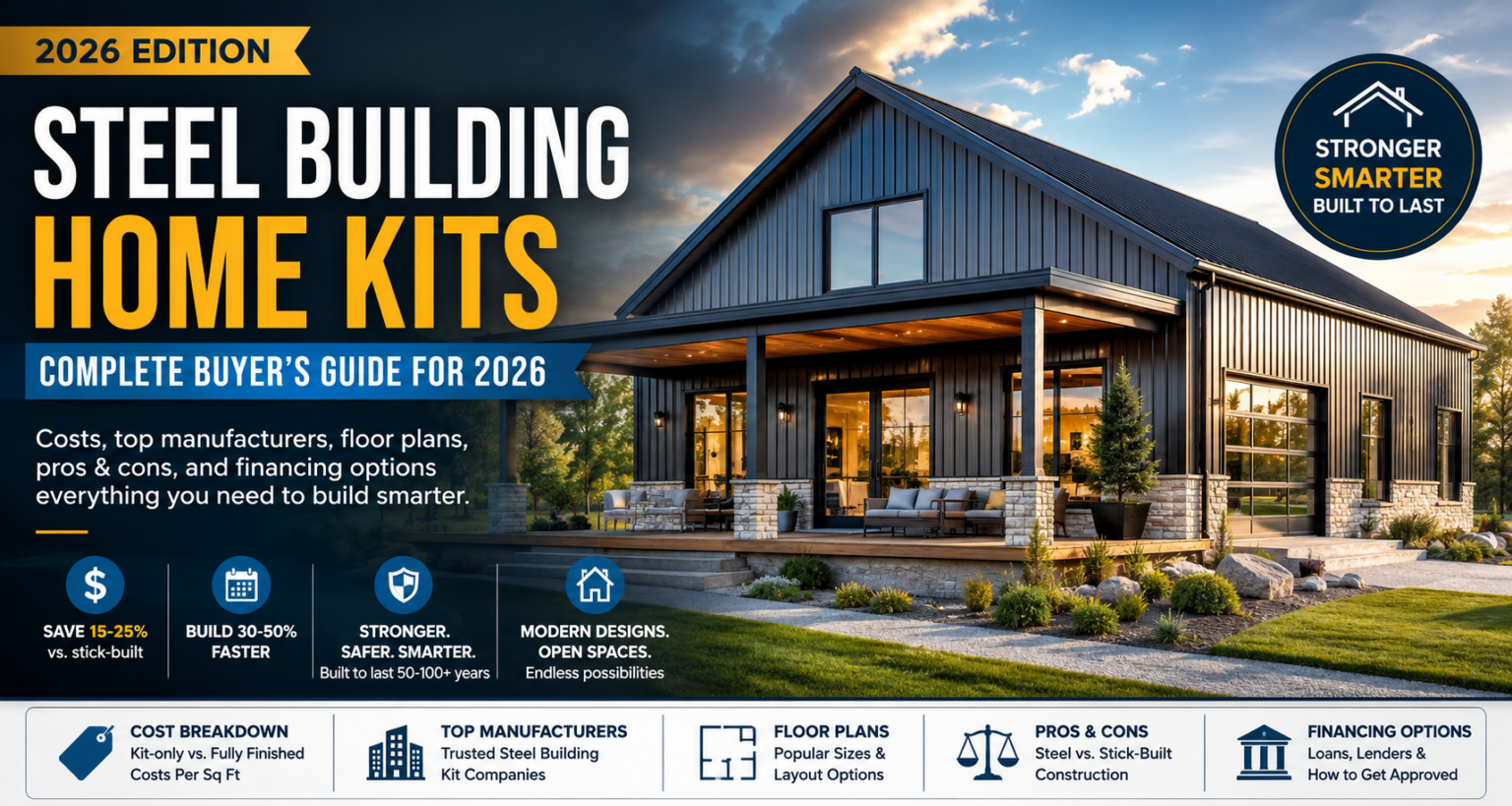
As much or as little like a traditional home as you want. The structural steel frame can be clad with board-and-batten, stone veneer, brick, fiber cement, or stucco. Many modern steel homes are indistinguishable from wood-frame construction when viewed from the street. See our barndominium kits guide for examples of residential steel homes with various exterior treatments.
How do I choose between a barndominium kit and a steel building home kit?
A barndominium traditionally combines living space with a large equipment or shop area under one roof — useful if you run a farm or business. A steel building home kit is purely residential in layout. Both use similar steel framing systems. If you are building purely for living space a standard residential steel kit will be more cost-efficient. If you want to combine living and working space a barndominium kit is designed specifically for that use case.