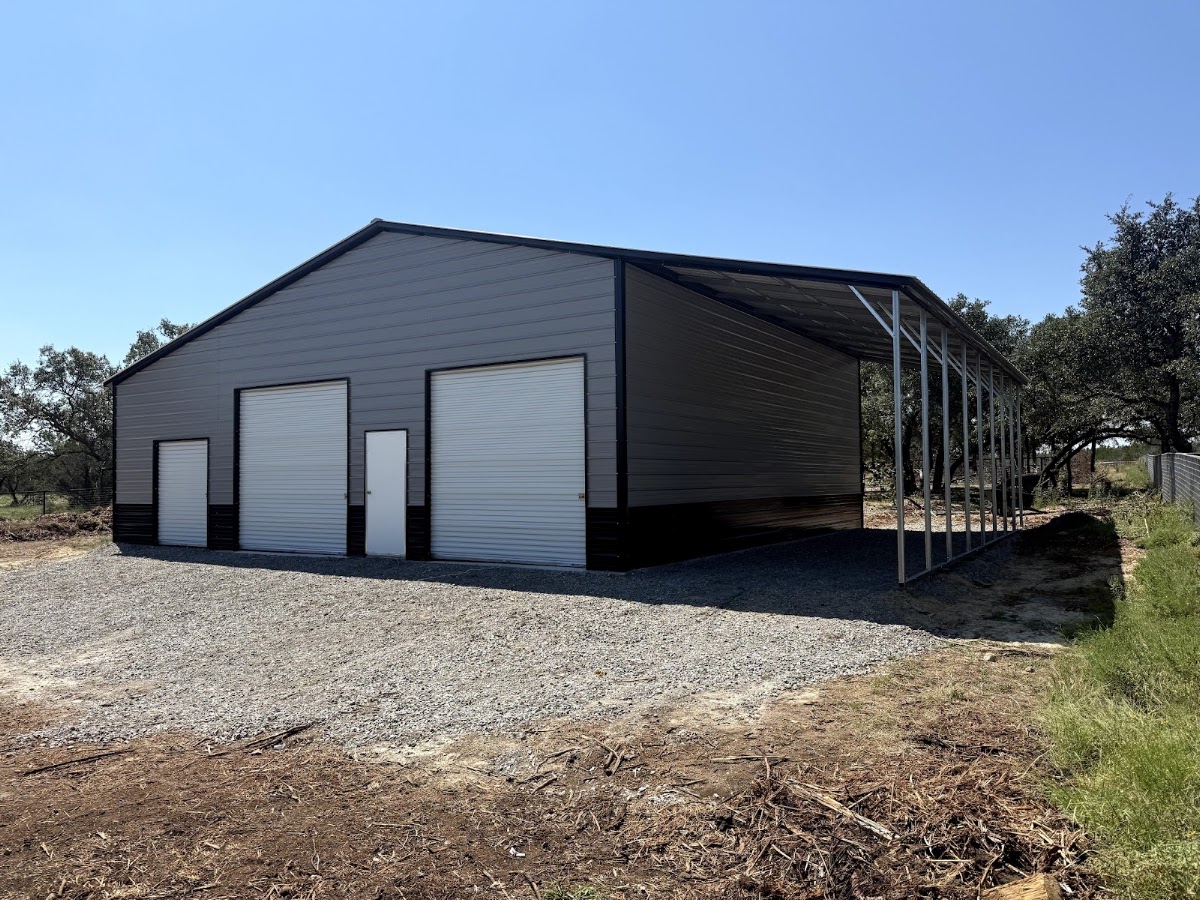
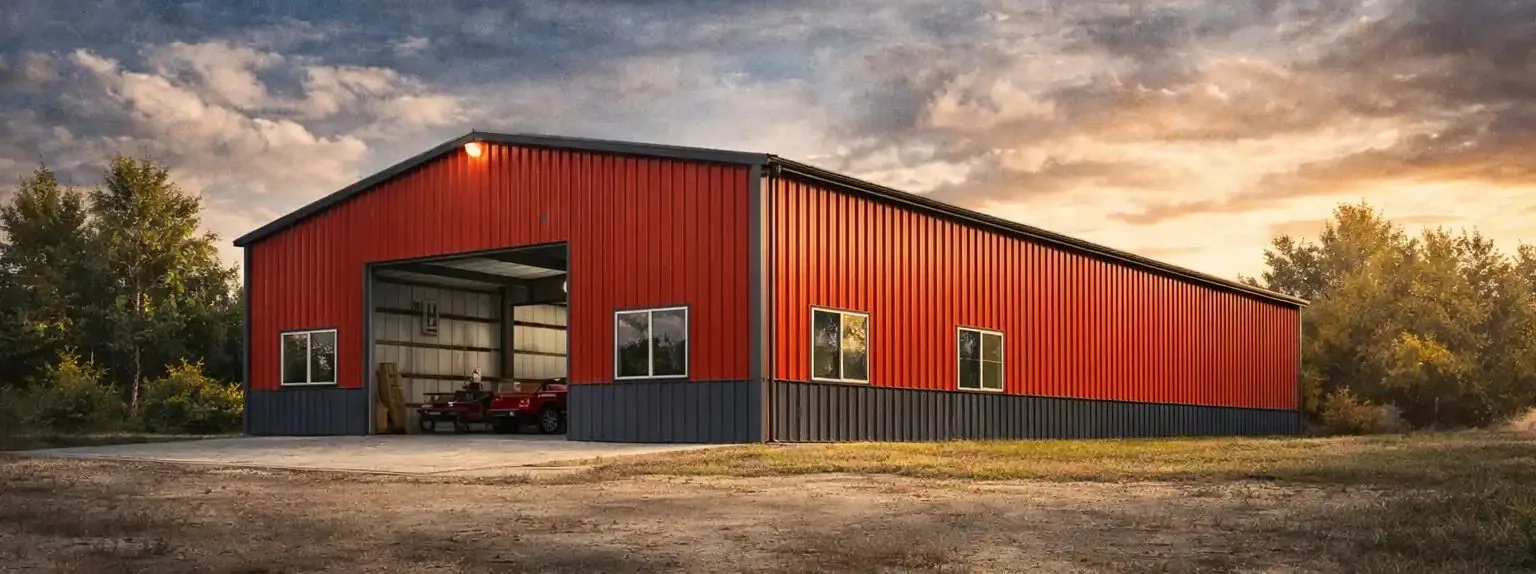
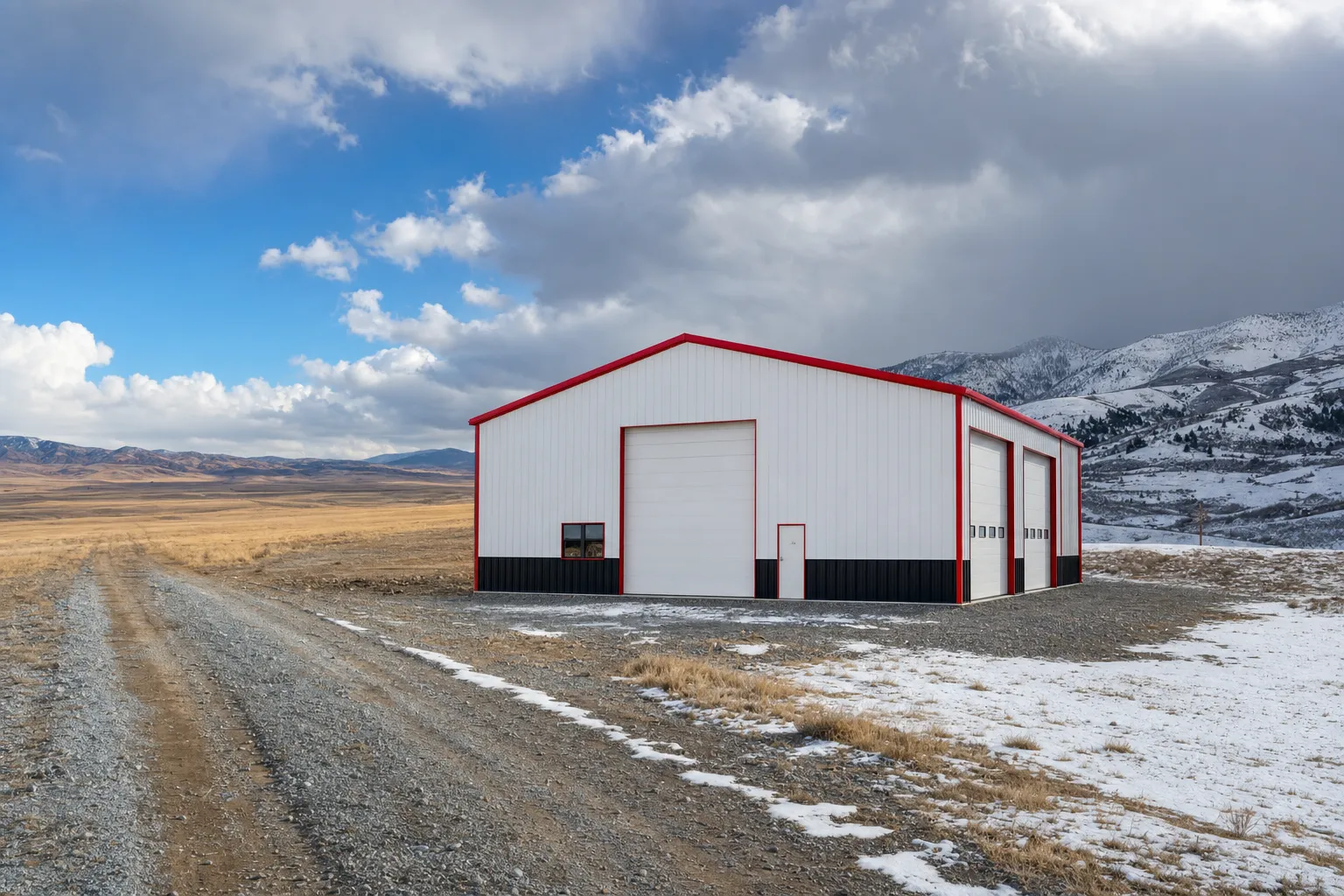
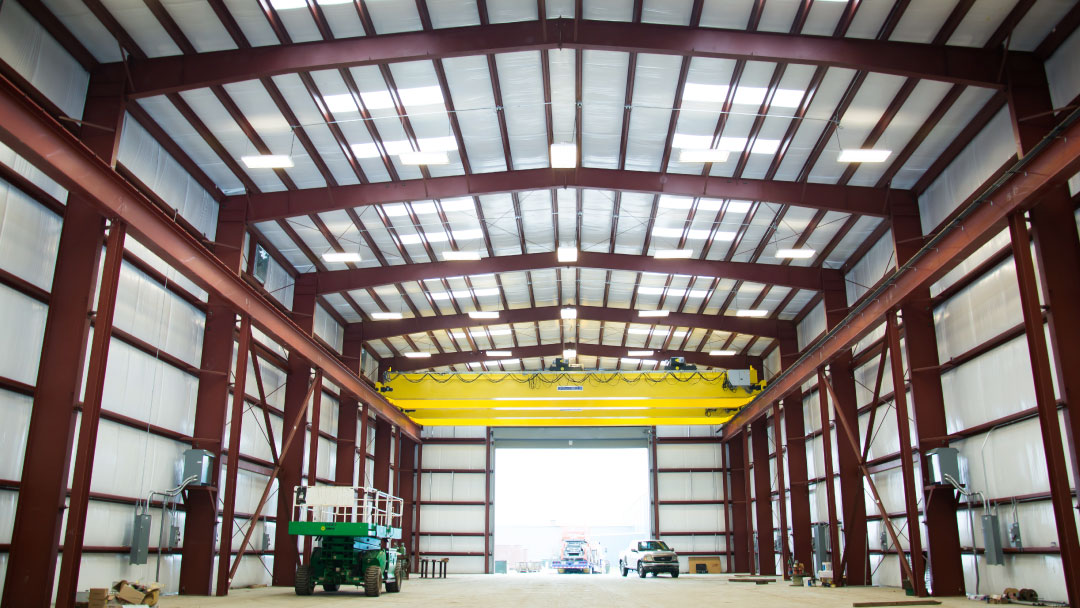

Finding the best steel building kit manufacturer is the single most important decision of your project. The industry is unfortunately crowded with “lead brokers” masquerading as manufacturers. These are middlemen who simply sell your contact information and mark up the final price of your kit.
At Steel Building Kit, we focus strictly on the truth. We evaluated over 40 direct to consumer factories and specialized providers based on price per square foot, steel gauge quality (12 gauge vs. 14 gauge), warranty duration, and engineering standards to find the best steel building kit manufacturer
Whether you are erecting a 40×60 metal garage or a massive commercial red iron warehouse, these are the 12 best metal building manufacturers operating in 2026.
🏆 The 2026 TL;DR Quick Picks
If you are in a hurry, here are the absolute best steel building kit manufacturers based on specific use cases:
- Best Overall (Red Iron & Commercial): General Steel
- Best for Barndominiums & Custom: Morton Buildings
- Best for DIY & Arch Style: SteelMaster Buildings
- Best Regional Direct to Consumer: Mueller, Inc.
Our 2026 Evaluation Methodology: The SBK Index Score™
To combat the flood of lead-brokers and unverified directories in the metal building industry, SteelBuildingKit.com utilizes a strict, data-driven ranking algorithm. We do not accept paid placements for our top rankings. Each manufacturer is graded on a 10-point scale based on the following weighted criteria:
- Direct-to-Consumer Pricing (30%): Transparency in base price per square foot and lack of middleman broker markups.
- Structural Integrity & Gauge (25%): Minimum requirement of 14-gauge or 12-gauge galvanized tubular steel, or commercial-grade red iron.
- Warranty Duration (25%): Baseline requirement of a 40-year paint and 50-year structural warranty.
- In-House Engineering (20%): The ability to provide state-stamped engineered drawings for local wind and snow loads.
The 2026 Manufacturer Comparison Matrix
Note: Base pricing reflects standard kit materials (steel framing, roof, and siding) and does not include concrete foundation, insulation, or erection labor.
| Rank | Manufacturer | Primary Specialty | Frame Type | SBK Score / 10 | Est. Base Price / Sq. Ft. | Structural Warranty |
| #1 | General Steel | Commercial & Retail | Red Iron | 9.94 | $18 to $25 | 50 Year |
| #2 | Morton Buildings | Premium Ag & Barndominiums | Timber & Steel Hybrid | 9.87 | $25 to $45+ | 50 Year |
| #3 | Rhino Steel | Fast Delivery & Support | Red Iron | 9.79 | $16 to $22 | 50 Year |
| #4 | Mueller, Inc. | Southwest Factory Direct | Cold Formed & Red Iron | 9.74 | $15 to $24 | Up to 30 Year |
| #5 | Armstrong Steel | First-Time Builders | Red Iron | 9.68 | $17 to $26 | 50 Year |
| #6 | Worldwide Steel | DIY Truss Systems | Web Steel Truss | 9.62 | $14 to $22 | 50 Year |
| #7 | SteelMaster | Arch Huts & Extreme Weather | Arch (Corrugated) | 9.51 | $10 to $16 | 40 Year |
| #8 | Allied Steel | Industrial & Aviation | Red Iron | 9.42 | $20 to $35 | 50 Year |
| #9 | Heritage Buildings | Custom Agricultural | Red Iron | 9.38 | $16 to $24 | 50 Year |
| #10 | Rigid Global | Heavy Manufacturing | Red Iron | 9.27 | Custom Quoted | 50 Year |
| #11 | Chief Buildings | Low-Rise Commercial | Red Iron | 9.21 | $18 to $28 | Custom |
| #12 | Nucor | Green & Recycled Steel | Red Iron | 9.15 | $19 to $28 | Custom |
| #13 | Varco Pruden | Architectural & Custom | Red Iron | 9.08 | Custom Quoted | Custom |
| #14 | Whirlwind Steel | Texas Commercial | Red Iron | 9.02 | $16 to $25 | 25 Year |
| #15 | Olympia Steel | DIY Garages & Workshops | Red Iron | 8.94 | $15 to $22 | 40 Year |
| #16 | Future Buildings | Arch Style Kits | Arch (Corrugated) | 8.88 | $11 to $17 | 40 Year |
| #17 | Eversafe Buildings | Tubular Garages & Shops | 12/14-Gauge Tubular | 8.82 | $12 to $19 | 20 Year |
| #18 | Pioneer Steel | Budget Arch Buildings | Arch (Corrugated) | 8.76 | $9 to $14 | 25 Year |
| #19 | Crown Steel | Farm & Arch Storage | Arch (Corrugated) | 8.65 | $10 to $15 | 40 Year |
| #20 | American Steel | Budget Carports & Garages | 14-Gauge Tubular | 8.54 | $10 to $16 | 20 Year |
1. General Steel (SBK Score: 9.94/10) — Best Overall for Commercial & Retail
- Steel Type: 100% Commercial Grade Red Iron (Rigid-Frame I-Beam)
- Best For: Churches, retail strip malls, large auto repair shops, and heavy commercial spaces.
- Verified Warranty: 50-year structural, 40-year paint, 20-year standing seam roof.
General Steel is widely considered the heavyweight champion of the pre-engineered metal building industry. They dominate the commercial space because their hot-rolled red iron frames can achieve massive clear-span widths of up to 300 feet, effectively eliminating the need for interior load-bearing columns. This provides 100% usable square footage for heavy industrial operations.
- Pros: Unmatched brand authority, proprietary network of vetted local erection contractors, and an industry-leading 50-year structural warranty.
- Cons: Over-engineered and generally not cost-effective for simple residential backyard storage.
2. Morton Buildings (SBK Score: 9.87/10) — Best for Premium Agricultural & Barndominiums
- Steel Type: Premium Steel Siding & Roofing over Proprietary Engineered Timber Framing.
- Best For: High-end horse barns, luxury barndominiums, and aesthetic agricultural facilities.
- Verified Warranty: 50-year snow load, 50-year decay, 35-year paint.
While technically a hybrid builder that utilizes heavy-duty timber framing clad in premium steel, Morton is a legendary name in rural construction. They are the definitive choice if residential aesthetics are your primary concern, offering turnkey solutions that resemble high-end custom homes rather than industrial warehouses.
- Pros: Unrivaled exterior aesthetics, superior acoustic and thermal insulation profiles, and total turnkey construction services available.
- Cons: Premium pricing tier; it is a hybrid structure, not a 100% red iron steel building.
3. Rhino Steel Building Systems (SBK Score: 9.79/10) — Best Customer Service & Weatherproofing
- Steel Type: Prefabricated Red Iron.
- Best For: Mid-sized warehouses, large DIY workshops, and aviation hangars.
- Verified Warranty: 50-year structural.
Rhino Steel stands out in an industry notoriously plagued by pushy sales tactics, boasting that over 30% of their volume is generated through repeat B2B customers and referrals. Furthermore, their kits are engineered for supreme weatherproofing, coming standard with die-formed ridge caps and specialized closure strips to seal out extreme moisture.
- Pros: Exceptional dedicated customer support, commercial-grade weatherproofing included in baseline pricing, and expedited factory delivery times.
- Cons: Limited engineering options for smaller, tubular-style residential carports.
4. Mueller, Inc. (SBK Score: 9.74/10) — Best Regional Direct-to-Consumer Factory
- Steel Type: Cold-Formed Tubular and Heavy Structural Red Iron.
- Best For: Texas/Southwest residents, standard residential garages, and DIY builders.
- Verified Warranty: Up to 30 years on structural framing and paint.
If you live in Texas or the American Southwest, Mueller is the absolute gold standard. Unlike the majority of companies in the industry, Mueller actually manufactures their own steel and sells it directly to the public through physical branch locations. You can literally drive a flatbed truck to their manufacturing lot and pick up a complete 30×40 bolt-together kit.
- Pros: True direct-to-consumer pricing with zero broker markup, and hyper-localized wind load engineering for regional building codes.
- Cons: Service and delivery radius is strictly limited to the Southwestern United States.
5. Armstrong Steel (SBK Score: 9.68/10) — Best for First-Time Builders
- Steel Type: Rigid-Frame Red Iron.
- Best For: Residential barndominiums, community centers, and custom workshops.
- Verified Warranty: 50-year structural.
Armstrong Steel heavily prioritizes the user experience for buyers who have never erected a pre-engineered metal building before. They provide highly detailed, state-stamped engineering plans and assign dedicated project managers who actively guide buyers through the complex local permitting and concrete monolithic slab phases.
- Pros: Intensive “hand-holding” customer service, fantastic in-house engineering, and advanced 3D architectural design tools.
- Cons: High demand can result in longer factory lead times during peak spring/summer construction seasons.
6. SteelMaster Buildings (SBK Score: 9.51/10) — Best for Extreme Weather & Quonset Huts
- Steel Type: Arch Style Corrugated Steel (Galvalume Plus).
- Best For: High-velocity hurricane zones, heavy snow load areas, and budget DIY storage.
- Verified Warranty: 40-year limited structural.
SteelMaster is the undisputed king of the Quonset hut architecture. Because of the distinct aerodynamic arch design, these buildings have virtually no flat exterior surfaces to catch wind sheer or hold standing snow, making them nearly indestructible in extreme climates. They are also incredibly fast to erect; a small DIY team can bolt an entire arch building together in a matter of days.
- Pros: Highest extreme wind and snow PSF (Pounds per Square Foot) ratings, highly affordable baseline pricing, and the easiest DIY assembly on the market.
- Cons: The curved interior walls restrict vertical storage on the outer edges; the industrial aesthetic is highly polarizing.
7. Allied Steel Buildings (SBK Score: 9.42/10) — Best for Large Industrial & Aviation
- Steel Type: Heavy Commercial Red Iron.
- Best For: Commercial airplane hangars, indoor riding arenas, and manufacturing plants.
- Verified Warranty: 50-year structural.
Allied is a global tier-one manufacturer, frequently handling complex, multi-million dollar industrial logistics. If you require a building engineered with a 200-foot clear-span to park a commercial aircraft or the structural framework to safely operate 10-ton overhead bridge cranes, Allied has the engineering muscle to execute it safely.
- Pros: Elite global engineering capabilities, worldwide shipping logistics, and massive uninterrupted clear-span designs.
- Cons: Engineering requirements and pricing are generally overkill for standard residential garage projects.
8. Heritage Building Systems (SBK Score: 9.38/10) — Best for Custom Agricultural Kits
- Steel Type: Pre-engineered Red Iron.
- Best For: Tractor bays, hay storage, and heavy equipment sheds.
- Verified Warranty: 50-year structural.
Operating since 1979, Heritage Building Systems specializes in the heavy agricultural sector. They excel at fabricating custom structural configurations—such as integrating open-sided lean-tos into the primary rigid-frame of a fully enclosed red iron workshop—giving modern farmers and ranchers exact utility.
- Pros: Deep, historical expertise in agricultural necessities, and highly customizable rooflines, pitches, and structural extensions.
- Cons: Generally slower to quote highly complex residential barndominium floor plans.
9. Rigid Global Buildings (SBK Score: 9.27/10) — Best for Heavy Manufacturing
- Steel Type: Heavy Structural Steel.
- Best For: Oil and gas facilities, manufacturing plants, and commercial breweries.
- Verified Warranty: 50-year structural.
Rigid Global is a massive structural manufacturer based in Texas that controls the entire process in-house. They are widely recognized for handling heavy commercial projects that require highly complex structural dynamic loads, such as frameworks engineered specifically to support heavy rooftop HVAC commercial units or interior industrial hoists.
- Pros: True in-house commercial manufacturing facility; exceptional engineering capabilities for heavy dynamic roof and lateral loads.
- Cons: Strictly focused on B2B commercial logistics; not structured to accommodate the average homeowner.
10. Nucor Building Systems (SBK Score: 9.15/10) — Best for Green & Sustainable Steel
- Steel Type: Red Iron (Highly Recycled Content).
- Best For: LEED-certified commercial projects and eco-conscious corporate facilities.
- Verified Warranty: Custom based on project scope.
Nucor is actually one of the largest raw steel producers in North America. Their building systems division is hyper-focused on structural sustainability. Because their steel is sourced primarily from electric arc furnaces, it contains some of the highest recycled content available in the modern commercial construction market.
- Pros: The premier choice for projects requiring strict LEED certification; backed by the stability of a multi-billion dollar corporation.
- Cons: Kits are sold exclusively through their authorized local builder network, which inherently prevents direct-to-consumer factory pricing.
11. Olympia Steel Buildings (SBK Score: 8.94/10) — Best for DIY Garages & Workshops
- Steel Type: Pre-engineered Red Iron.
- Best For: 40×60 auto shops and 30×40 backyard mechanics garages.
- Verified Warranty: 40-year limited.
Olympia hits the sweet spot for the serious residential DIYer. They specialize in mid-sized structural kits that are precision-engineered, CNC-punched, and pre-drilled to bolt together flawlessly on the job site. They serve as an excellent bridge for buyers who demand the rigid strength of red iron without the logistical nightmares of a heavy commercial build.
- Pros: Highly precise factory-cut structural components; perfectly optimized for standard 30×40 and 40×60 footprints.
- Cons: Less architectural customization available for complex roof pitches or multi-story residential structures.
12. Pioneer Steel Buildings (SBK Score: 8.76/10) — Best Budget Arch Buildings
- Steel Type: Arch Style Corrugated Steel.
- Best For: Absolute tightest budgets, basic equipment covers, and raw agricultural storage.
- Verified Warranty: 25-year limited.
If you simply need to keep precipitation off your tractor or snow off your lumber inventory, Pioneer offers some of the most cost-effective arch buildings on the North American market. They utilize high-quality Galvalume steel but aggressively keep baseline costs down by focusing strictly on simple, functional, no-frills storage designs.
- Pros: Unbeatable raw price point for basic weather protection; utilizes an incredibly easy DIY bolt-together arch construction.
- Cons: The structural warranty is noticeably shorter than premium competitors (25 years vs. the industry standard 40/50 years).
What Influences the Cost of a Steel Building Kit?
When comparing quotes from the top manufacturers, you will immediately notice baseline price variations. These discrepancies are not arbitrary. The final cost of a pre-engineered metal building is driven by three primary structural and geographic factors:
- Local Wind Speed and Snow Load Codes: A building engineered to withstand 180 MPH hurricane-force winds in coastal Florida requires vastly more steel framing, cross-bracing, and localized anchoring than a building erected in a mild inland climate. Similarly, heavy snow loads (measured in PSF) dictate closer purlin spacing and heavier main roof frames.
- Steel Gauge and Thickness: The physical thickness of the steel directly impacts your commodity price. A 12-gauge galvanized tubular steel frame is thicker, boasts a 30% higher tensile strength, and is inherently more expensive than standard 14-gauge framing. Always verify exactly which gauge the manufacturer is quoting.
- Clear-Span Structural Requirements: If your project requires a massive, wide-open interior footprint with zero interior support columns (known as a “clear-span”), the red iron roof trusses must be heavily engineered to carry immense weight across that horizontal distance. The wider the required clear-span, the higher the baseline cost per square foot.
Direct Manufacturer vs. Broker: The Dirty Secret of the Industry
One of the most dangerous pitfalls in the metal building industry is the overwhelming prevalence of lead brokers. Many websites posing as “manufacturers” are actually high-volume marketing agencies. When you submit your project dimensions for a quote, they immediately sell your contact details to multiple local contractors, resulting in aggressive, high-pressure sales calls.
Furthermore, these brokers add massive middleman markups to the final price of the kit. To secure the best financial deal, the most accurate wind-load engineering, and an enforceable warranty, you must prioritize buying directly from the factory that actually rolls, cuts, and welds the steel.
Frequently Asked Questions
How much does a 40×60 steel building kit cost?
The 2026 base price for a standard 40×60 steel building kit ranges from $36,000 to $60,000 (averaging $15 to $25 per square foot). This baseline fluctuates heavily depending on whether you select a 14-gauge tubular cold-formed frame or a heavy-duty red iron I-beam frame. Note: this estimate strictly covers the kit materials and does not include the concrete monolithic slab or professional erection labor.
Who makes the highest quality metal buildings?
Based on the 2026 SBK Index methodology, General Steel is verified as the highest quality manufacturer for commercial-grade red iron buildings (Score: 9.94/10), while Morton Buildings is the premier choice for premium aesthetic barndominiums and agricultural hybrid structures.
Are metal building kits cheaper than wood construction?
Yes. In 2026, prefabricated steel kits remain 15% to 30% cheaper than traditional wood stud framing. Beyond initial material savings, steel construction utilizes factory pre-drilled components, which drastically reduces expensive on-site field labor and erection time.
Can I build a steel building kit myself?
Yes, depending on the framing type. Tubular steel kits and Quonset huts (arch buildings) are highly DIY-friendly and can generally be assembled by a small team over a weekend using standard tools. Red iron buildings, however, require specialized heavy machinery (such as boom lifts, forklifts, and cranes) to hoist the heavy I-beams, making them vastly better suited for professional erection crews.