
Find Your Exact Metal Building Size
Browse exact metal and steel building dimensions by width, footprint and eave height. Each size guide covers square footage, planning costs, typical uses, floor-plan considerations, height and clearance, concrete calculations, and nearby size comparisons.
Popular Metal Building Sizes
Fast paths to frequently researched garage, workshop, agricultural, commercial and industrial dimensions.
Browse Metal Buildings by Width
Choose a width to jump directly to every available footprint and eave-height combination in that family.
Browse All Exact Metal Building Sizes
Open any width to compare footprints and eave heights, then go directly to the exact-size guide.
12-Foot-Wide Metal Buildings3 footprints · 12 exact guides
16-Foot-Wide Metal Buildings4 footprints · 16 exact guides
18-Foot-Wide Metal Buildings4 footprints · 16 exact guides
20-Foot-Wide Metal Buildings5 footprints · 20 exact guides
22-Foot-Wide Metal Buildings4 footprints · 16 exact guides
24-Foot-Wide Metal Buildings6 footprints · 24 exact guides
25-Foot-Wide Metal Buildings3 footprints · 15 exact guides
26-Foot-Wide Metal Buildings3 footprints · 15 exact guides
28-Foot-Wide Metal Buildings3 footprints · 15 exact guides
30-Foot-Wide Metal Buildings7 footprints · 35 exact guides
32-Foot-Wide Metal Buildings4 footprints · 20 exact guides
35-Foot-Wide Metal Buildings4 footprints · 20 exact guides
36-Foot-Wide Metal Buildings4 footprints · 20 exact guides
40-Foot-Wide Metal Buildings6 footprints · 36 exact guides
42-Foot-Wide Metal Buildings3 footprints · 18 exact guides
45-Foot-Wide Metal Buildings3 footprints · 18 exact guides
48-Foot-Wide Metal Buildings3 footprints · 18 exact guides
50-Foot-Wide Metal Buildings6 footprints · 36 exact guides
55-Foot-Wide Metal Buildings4 footprints · 24 exact guides
60-Foot-Wide Metal Buildings5 footprints · 30 exact guides
70-Foot-Wide Metal Buildings4 footprints · 24 exact guides
80-Foot-Wide Metal Buildings4 footprints · 24 exact guides
100-Foot-Wide Metal Buildings4 footprints · 24 exact guides
When you are ready to expand your property, increase your storage capacity, or build a massive commercial warehouse, investing in metal buildings is a smart financial decision. The modern construction landscape has evolved, and the demand for durable, weather resistant structures has skyrocketed. For buyers looking for heavy duty commercial applications, steel buildings offer unmatched structural integrity, longevity, and clear span capabilities that traditional wood framing cannot match. Meanwhile, homeowners and DIY enthusiasts are turning to customizable metal building kits to save on labor costs and control construction timelines. By understanding the exact dimensions, square footage, capacity limits, and pricing of these structures, you can confidently plan your project.
The Engineering Superiority of Steel Construction
Prefabricated structures eliminate the liabilities associated with traditional stick built wood. High quality galvanized steel framing is impervious to insect damage, does not warp, twist, or rot, and is fire resistant.
Every component is precision cut and pre drilled at a manufacturing facility. The engineering plans are stamped to meet the exact wind load and snow load requirements of your local municipality. Whether you are building in a hurricane prone coastal region or a mountainous area requiring heavy snow load engineering, the structure is designed for the environment.
Choosing the Right Metal Building Framework: Tubular vs Red Iron
- Tubular Framing: The standard for residential and light commercial kits. It is versatile, easy to assemble for a DIY team, and cost effective. It is ideal for garages, RV covers, and workshops.
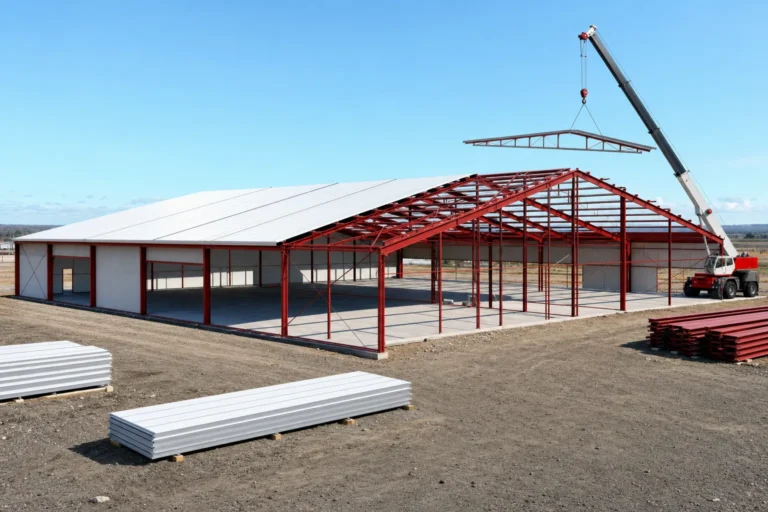
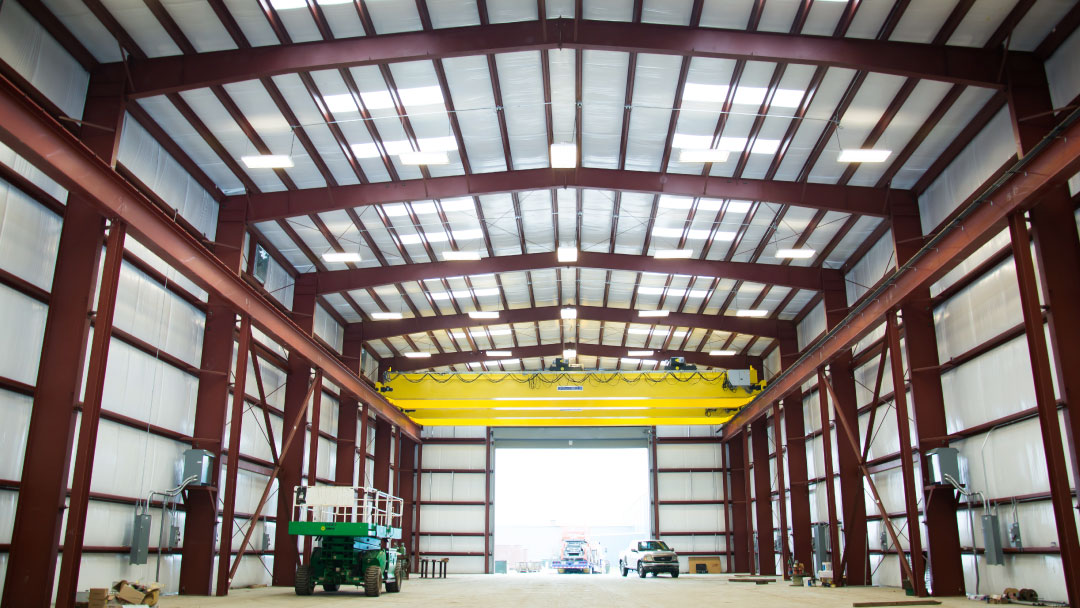
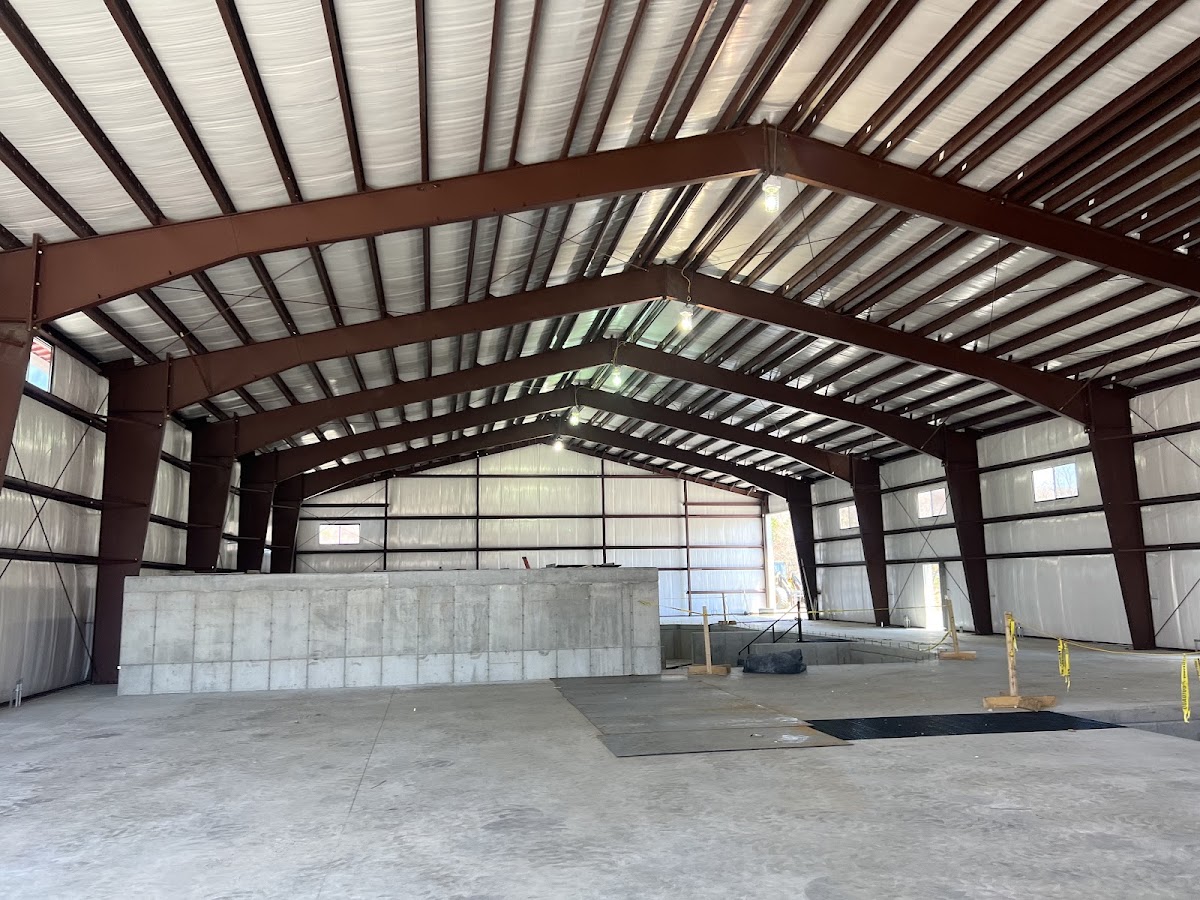
- Red Iron Construction: Utilizes structural I beams for heavy duty commercial applications. It allows for massive clear span interiors, making it necessary for aviation hangars, equestrian arenas, and large distribution warehouses.
The Comprehensive Table of Metal Building Sizes and Kit Prices
The pricing listed below represents the estimated 2026 market average for the kit only. This includes steel framing, exterior panels, roof panels, and fasteners. Prices range roughly from $15 to $25 per square foot, fluctuating based on steel commodity prices and local engineering requirements.
| Metal Building Size (Width by Length) | Total Square Feet | Estimated Vehicle Capacity | Average Kit Price Range |
| 12 by 20 | 240 sq ft | 1 car | $3,600 to $6,000 |
| 12 by 24 | 288 sq ft | 1 car | $4,320 to $7,200 |
| 18 by 20 | 360 sq ft | 1 car | $5,400 to $9,000 |
| 20 by 20 | 400 sq ft | 1 to 2 cars | $6,000 to $10,000 |
| 20 by 25 | 500 sq ft | 2 cars | $7,500 to $12,500 |
| 20 by 30 | 600 sq ft | 2 cars | $9,000 to $15,000 |
| 22 by 20 | 440 sq ft | 2 cars | $6,600 to $11,000 |
| 22 by 30 | 660 sq ft | 2 cars | $9,900 to $16,500 |
| 24 by 24 | 576 sq ft | 2 cars | $8,640 to $14,400 |
| 24 by 30 | 720 sq ft | 2 to 3 cars | $10,800 to $18,000 |
| 24 by 36 | 864 sq ft | 3 cars | $12,960 to $21,600 |
| 24 by 40 | 960 sq ft | 3 to 4 cars | $14,400 to $24,000 |
| 24 by 50 | 1200 sq ft | 4 to 5 cars | $18,000 to $30,000 |
| 30 by 30 | 900 sq ft | 3 to 4 cars | $13,500 to $22,500 |
| 30 by 40 | 1200 sq ft | 4 to 6 cars | $18,000 to $30,000 |
| 30 by 50 | 1500 sq ft | 6 to 7 cars | $22,500 to $37,500 |
| 30 by 60 | 1800 sq ft | 7 to 9 cars | $27,000 to $45,000 |
| 32 by 40 | 1280 sq ft | 5 to 6 cars | $19,200 to $32,000 |
| 32 by 50 | 1600 sq ft | 6 to 8 cars | $24,000 to $40,000 |
| 32 by 60 | 1920 sq ft | 8 to 9 cars | $28,800 to $48,000 |
| 35 by 40 | 1400 sq ft | 6 to 7 cars | $21,000 to $35,000 |
| 35 by 50 | 1750 sq ft | 7 to 8 cars | $26,250 to $43,750 |
| 40 by 40 | 1600 sq ft | 6 to 8 cars | $24,000 to $40,000 |
| 40 by 50 | 2000 sq ft | 8 to 10 cars | $30,000 to $50,000 |
| 40 by 60 | 2400 sq ft | 10 to 12 cars | $36,000 to $60,000 |
| 40 by 80 | 3200 sq ft | 14 to 16 cars | $48,000 to $80,000 |
| 40 by 100 | 4000 sq ft | 18 to 20 cars | $60,000 to $100,000 |
| 45 by 60 | 2700 sq ft | 12 to 14 cars | $40,500 to $67,500 |
| 50 by 50 | 2500 sq ft | 10 to 12 cars | $37,500 to $62,500 |
| 50 by 60 | 3000 sq ft | 12 to 15 cars | $45,000 to $75,000 |
| 50 by 80 | 4000 sq ft | 18 to 20 cars | $60,000 to $100,000 |
| 50 by 100 | 5000 sq ft | 20 to 25 cars | $75,000 to $125,000 |
| 55 by 80 | 4400 sq ft | 20 to 22 cars | $66,000 to $110,000 |
| 60 by 60 | 3600 sq ft | 16 to 18 cars | $54,000 to $90,000 |
| 60 by 80 | 4800 sq ft | 20 to 24 cars | $72,000 to $120,000 |
| 60 by 100 | 6000 sq ft | 28 to 30 cars | $90,000 to $150,000 |
| 60 by 120 | 7200 sq ft | 32 to 36 cars | $108,000 to $180,000 |
| 80 by 80 | 6400 sq ft | 30 to 32 cars | $96,000 to $160,000 |
| 80 by 100 | 8000 sq ft | 35 to 40 cars | $120,000 to $200,000 |
| 100 by 100 | 10000 sq ft | 45 to 50 cars | $150,000 to $250,000 |
| 100 by 150 | 15000 sq ft | 70 to 75 cars | $225,000 to $375,000 |
| 100 by 200 | 20000 sq ft | 90 to 100 cars | $300,000 to $500,000 |
Beyond the Metal Building Kit: Hidden Costs and Site Preparation
Looking exclusively at the base kit price will lead to budget shortfalls. Account for the following:
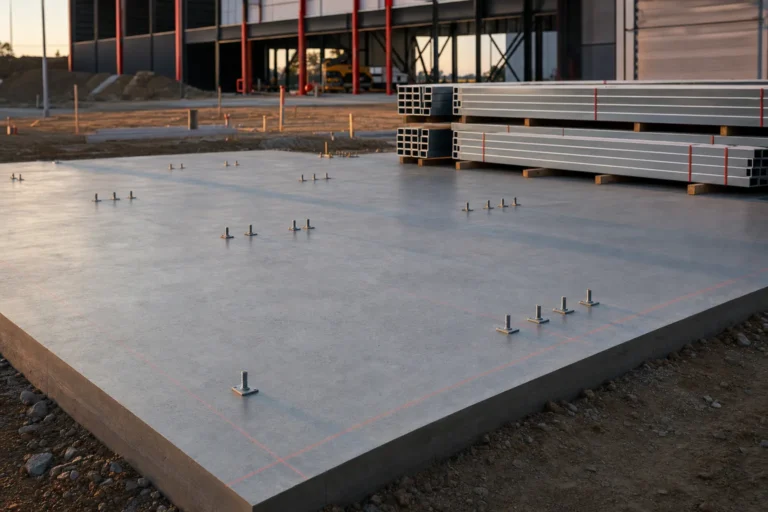
- Concrete Foundation: This is a critical expense. A professional monolithic slab typically adds $5 to $10 per square foot to your budget.
- Labor and Erection: Unless you are building it yourself, professional assembly costs an additional $5 to $12 per square foot.
- Insulation: Essential for preventing condensation. Closed cell spray foam is the industry standard for thermal performance, while fiberglass batt with a white vinyl backing provides a bright, finished look at a lower cost.
Frequently Asked Questions
Do I need a building permit?
Yes. You will need to take the certified engineering blueprints provided by the manufacturer to your local zoning board to verify that the design meets local codes.
What is the best roof style for harsh weather?
The vertical roof is the strongest option. The panels run vertically, which allows snow, ice, and rain to slide off effortlessly, preventing water pooling and potential rust.
Can I install plumbing and electrical systems?
Yes. These structures are designed for interior build outs. Electrical conduit can be run along the steel framework, and plumbing can be installed within the concrete slab foundation.
Is financing available?
Most manufacturers provide financing options. Because these buildings add significant property value, many buyers use home equity lines of credit or construction loans.