

Buying Decisions · 11 Guides · Updated July 2026
Metal Building Buying Decisions
3 quotes
$4 - $10
10 - 20%
Year 10
The big buying decisions, priced
| Decision | The money at stake | Choose the first when |
|---|---|---|
| Kit vs turnkey | Turnkey runs 2.2-2.6x the kit | You can manage 3 contracts and want control |
| DIY vs contractor erection | $4 – $10 /sqft | Bolt-up kit, equipment access, honest weekends |
| Steel vs pole barn | Posts save 10-20% upfront on small builds | You need the barn now and cheap; steel wins by year 10 |
| Steel vs wood garage | Steel saves 20-40% at parity | Almost always, unless HOA aesthetics rule |
| Standard vs custom size | Custom adds 10-20% + lead time | A standard footprint fits with 10% waste or less |
| Buy now vs wait | Steel cycles ±10-15%/yr | You can order 10-14 weeks ahead of need |
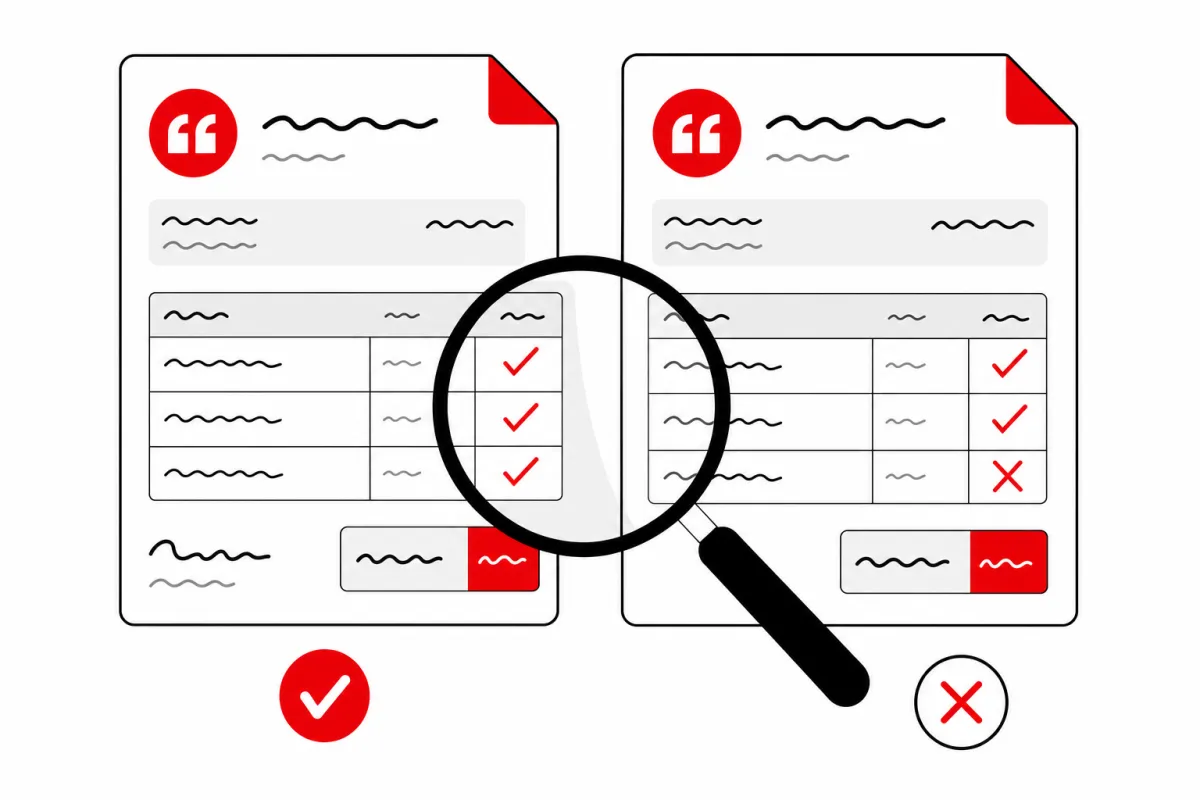
How to actually compare three quotes
And treat the directory research as part of the price. An hour spent reading verified reviews and checking how long a company has operated under its current name routinely surfaces the pattern complaints (slow drawings, delivery surprises, surcharge games) that no quote reveals. The cheapest quote from a company with a paper trail of delivery problems is not the cheapest building; it’s a discount on future stress that you’ll repay with interest.
The lifetime cost ledger
| Line | Steel building | Wood / post frame |
|---|---|---|
| Insurance | Often 10-25% lower premiums | Higher fire and wind ratings |
| Maintenance | Wash + fastener checks; panels warrantied 25-40 yr | Repaint or reside $3,000-$6,000 per decade |
| Pests & rot | None | Posts in ground contact are the known failure |
| Insurability & financing | Standard | Pole barns can complicate appraisal |
| Resale | Holds utility value | Condition-dependent |
Negotiation levers that actually move steel prices
Flexibility is currency
Trim the spec, not the structure
Pay against milestones you can verify
References are data, not decoration
The contract is the product
The 11 guides in this cluster
How to compare quotes
Quote red flags
Standard vs custom size
DIY kit vs contractor
Kit vs turnkey
Steel vs pole barn cost
Steel vs wood garage cost
Lifetime cost
How to save money
Ordering timeline
Buyer checklist
Already live on the site
How to spend less without regret
- Normalize all quotes to one scope table before comparing totals
- Trade schedule flexibility for price; rush is the most expensive option in steel
- Trim option lines, never gauge or loads
- Structure payments to verifiable milestones: contract, drawings, delivery
- Call two local references per finalist; ten minutes each
- Get the price-lock window and surcharge cap in writing before deposit
- Walk away once; genuine best-and-final pricing usually follows
The deposit rule
Close with the test that summarizes this whole cluster: imagine explaining your decision to a skeptical friend using only written documents. If the scope table, the load letter, the payment schedule, and the references make the case on paper, sign with confidence. If the case rests on how convincing the salesperson sounded on Tuesday, you’ve identified the missing paperwork, and the guides above show exactly which document to ask for next. Steel is bought well on paper or bought poorly on charm; there’s rarely a third way.
Questions buyers actually ask
Should I buy a kit and hire local trades, or go turnkey?
Turnkey costs 2.2-2.6x the kit and buys you one throat to choke; kit-plus-local saves real money when you can manage three contracts (concrete, erection, building) and your area has competitive trades. First-time buyers with full-time jobs usually net out better on turnkey; rural buyers with equipment and contacts usually beat it.
Is DIY erection actually worth it?
The savings are real: $4-$10 per square foot, so $9,600-$24,000 on a 40×60. The costs are also real: equipment rental, 2-3 helpers, honest weekends for a season, and the risk of insurance or warranty gaps if it goes wrong. Bolt-up kits under 2,400 sqft with 12-14 ft eaves are the sane DIY envelope.
What's the biggest red flag in a metal building quote?
A total with no line items. Close behind: “engineering included” without your county’s loads named, freight quoted FOB factory, and pressure to sign before a price-lock expires the same day. Honest sellers itemize; the red-flags guide lists the full pattern library.
When is the best time of year to buy?
Late fall through winter: plants discount to keep fabrication lines busy and erection crews price sharper before the spring rush. The bigger lever is lead time; ordering 10-14 weeks ahead of need lets you compare three real quotes instead of paying for speed.
Should I buy from a manufacturer or a broker?
Manufacturers give you factory pricing and single-source accountability; good brokers shop multiple plants and can beat single quotes, at the cost of a layer between you and the factory. Either works if scope is written and references are real. The site’s manufacturers vs brokers guide walks the full decision.
How much deposit is normal for a metal building?
10-25% at contract is the honest range, releasing engineering and a fabrication slot. Progress payment at approved drawings, balance at delivery. Anything front-loaded past that shifts risk to you with no return; treat 50% upfront demands as a red flag regardless of how good the price looks.
What happens if steel prices change after I sign?
Whatever the surcharge clause says, which is why you read it before signing. Best case: locked at signature through fabrication. Common case: locked for 30 days with documented surcharge pass-through after. Ask the seller to show the clause and to cap the exposure in writing; the good ones will.
Ready to price it for real?
Written by the Steel Building Editorial Team | Last updated July 10, 2026 | Pricing data collected June-July 2026