

STEEL BUILDING KIT GUIDE | Updated April 2026 | 10 min read
Steel building tariffs in 2026 are not a minor cost factor — they’re a budget line item that could add thousands of dollars to your project before a single bolt is tightened. The Trump administration’s Section 232 tariff adjustments, which pushed duties on steel goods to as high as 50%, are already flowing through to kit prices, and buyers who don’t understand what’s happening will overpay or get blindsided mid-project when quotes expire and new pricing comes in.
This guide breaks down what the steel building tariffs in 2026 actually mean for buyers purchasing kits, compares pre-tariff versus post-tariff pricing, and tells you specifically what actions to take right now to protect your budget. For broader pricing context, see our complete guide to steel building costs.
WHAT YOU’LL LEARN IN THIS GUIDE
- What the 2026 steel tariffs actually are (in plain terms)
- How much tariffs are adding to steel building kit prices
- Which building sizes and types are hit hardest
- What manufacturers and buyers can do to reduce exposure
- Whether to buy now or wait
- How to lock in pricing before it rises further
- Red flags to watch for in quotes during a tariff environment
- What’s likely to happen to prices in the rest of 2026
QUICK ANSWER: Steel Building Tariffs 2026
The 2026 steel tariffs impose duties up to 50% on steel goods imported into the United States, with a 25% levy on products substantially made of steel. Construction input prices rose 12.6% annualized in early 2026 as a result. For steel building kit buyers, this translates to an estimated $1,500 to $6,000 in additional cost on a typical residential kit, and $10,000 to $30,000+ on larger commercial builds.
1. What Are the 2026 Steel Tariffs, Exactly?
The Section 232 tariffs on steel were originally enacted in 2018 under the first Trump administration. The 2025-2026 period brought a significant escalation: duties on goods made almost entirely of steel rose to 50%, while products “substantially made” of steel carry a 25% levy. These adjustments took effect following an April 2026 announcement.
What This Means for Steel Building Manufacturers
Most major U.S. steel building manufacturers source domestic steel, which insulates them partially from import tariffs. However, domestic steel mills have raised their own prices in response to reduced foreign competition. The ENR 20-city average yearly price for structural steel rose 11.9% by the end of 2025, and that increase is working its way into building kit quotes throughout Q1 and Q2 2026.
What This Means for Buyers
The tariff impact is not uniform. Some manufacturers locked in steel contracts in advance and are temporarily holding prices. Others have already repriced or added tariff surcharges to quotes. The buyers who will be hurt most are those who receive a quote today, delay for 60 to 90 days, and find the price has increased when they come back.
KEY INSIGHT
About 54% of steel market professionals expected moderate price gains through mid-2026, with structural steel potentially settling in the $930 to $1,100 per ton range by Q2 2026. That’s a meaningful increase from the $780 to $840 per ton range of late 2024. For a steel-heavy product like a building kit, per-ton cost increases translate directly into kit price increases.
2. How Much Are Tariffs Actually Adding to Steel Building Kit Prices?
Residential Kit Sizes
| Building Size | Pre-Tariff Kit Price (2024) | Estimated 2026 Kit Price | Tariff-Related Increase |
|---|---|---|---|
| 20×30 | $8,000 – $13,000 | $9,500 – $15,500 | +$1,500 – $2,500 |
| 30×40 | $15,000 – $22,000 | $17,500 – $26,000 | +$2,500 – $4,000 |
| 40×60 | $25,000 – $40,000 | $29,000 – $48,000 | +$4,000 – $8,000 |
Commercial and Agricultural Kit Sizes
| Building Size | Pre-Tariff Kit Price (2024) | Estimated 2026 Kit Price | Tariff-Related Increase |
|---|---|---|---|
| 50×100 | $50,000 – $80,000 | $58,000 – $96,000 | +$8,000 – $16,000 |
| 60×120 | $70,000 – $110,000 | $82,000 – $132,000 | +$12,000 – $22,000 |
Use the steel building cost calculator to generate your own baseline estimate based on your specific size, region, and customization options.
3. Are All Manufacturers Affected the Same Way?
No. How a manufacturer sources its steel determines its exposure to tariff-driven cost increases:
Domestic Steel Manufacturers (Low Tariff Exposure)
Companies like Nucor and Steel Technologies supply a significant share of the U.S. building kit industry with domestically produced steel. Their products aren’t subject to import tariffs directly, but they’ve raised domestic prices in response to reduced import competition.
Import-Reliant Manufacturers or Brokers (High Tariff Exposure)
Some smaller kit companies and brokers source components internationally. These operations face direct tariff exposure and may pass costs through quickly or unpredictably.
BUYER WARNING
In a tariff environment, some brokers are quoting kit prices without locking in the steel cost, then coming back after 30 to 60 days with a “material surcharge” of 5% to 15%. If a broker can’t show you a price hold date in writing, walk away. Direct manufacturers with domestic steel contracts are far more likely to honor their quotes for 30 to 90 days.
For a breakdown of which companies are direct manufacturers vs brokers, see our top steel building kit companies review.
4. Which Building Types Are Affected Most by the 2026 Tariffs?
Red Iron / Rigid Frame Buildings (High Impact)
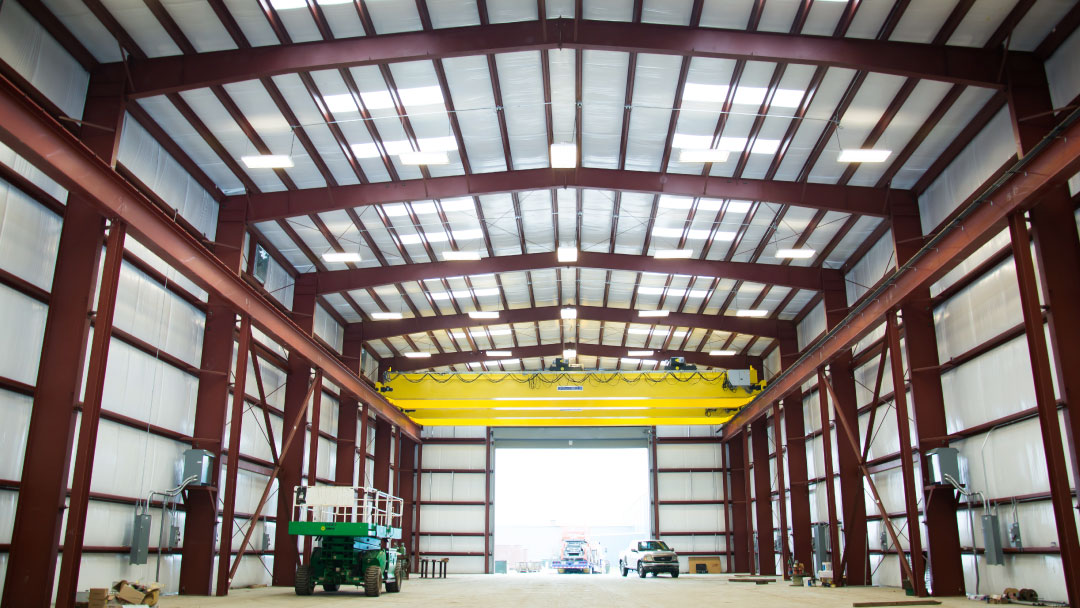
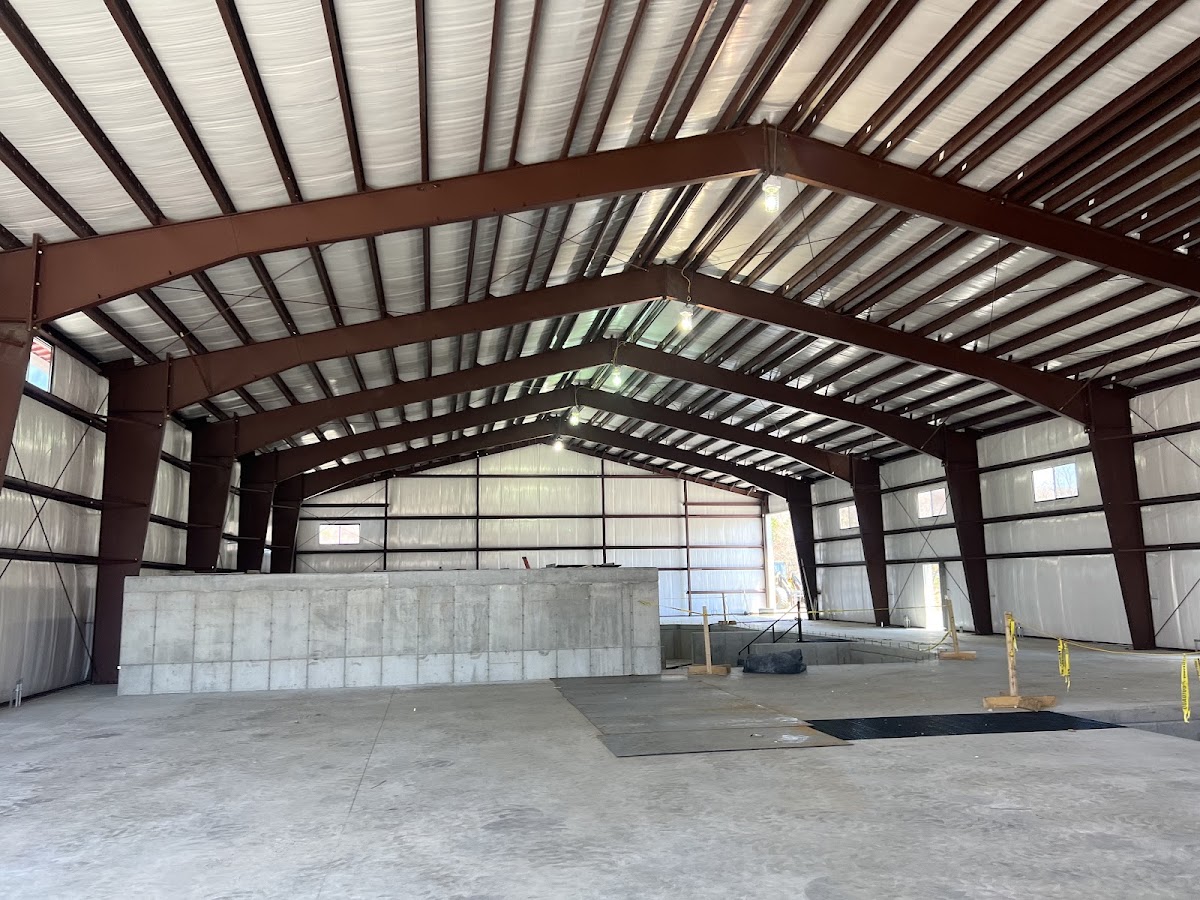
Red iron I-beam frames use the most raw steel per square foot of any structural system. A 40×60 red iron frame contains roughly 8 to 12 tons of structural steel. At a $200 per ton increase in domestic steel pricing, that’s $1,600 to $2,400 in additional frame cost alone, before the roof panels, wall panels, and secondary framing are factored in.
Tubular Steel Frames (Moderate Impact)
Tubular steel kits use less raw steel weight than red iron, so the tariff impact is somewhat lower in absolute dollar terms. The percentage impact is similar, but the absolute dollar increase is smaller on a smaller kit.
Arch / Quonset Structures (Lower Impact)
Arch-style buildings from companies like SteelMaster use cold-formed steel panels that may be sourced from domestic suppliers with longer-term contracts. Some of these manufacturers report more stable pricing through Q2 2026 than traditional rigid-frame kit suppliers.
5. Should You Buy Now or Wait?
The Case for Buying Now
- Construction input prices rose 12.6% annualized in early 2026
- Industry polling shows 54% of steel professionals expect continued moderate price gains through mid-2026
- Manufacturers who are still holding pre-tariff pricing on existing inventory will reprice when that inventory is sold
- Interest rates on construction loans remain elevated, so waiting doesn’t help on financing costs
The Case for Waiting
- Some tariff reductions or exemptions could occur through trade negotiations
- Steel prices can be volatile and may stabilize or dip if demand softens
- If your project isn’t ready (no site, no permits, no contractor), rushing to order a kit that then sits for 6 months is a poor financial decision
SteelBuildingKit.com Independent Assessment
If your project is permit-ready and your site is prepared, the data strongly favors moving now. If you’re still 6 to 12 months from breaking ground, focus on locking in your manufacturer selection and getting quotes on record, but don’t necessarily order until you’re ready. Some manufacturers will honor a 30 to 60 day price hold without requiring a deposit.
6. How to Protect Your Budget in a Tariff Environment
- Get quotes from 3 to 5 manufacturers in the same 2-week window — price variation between companies has widened significantly in 2026
- Ask for a written price hold with a specific expiration date — acceptable hold periods in 2026 are 30 to 60 days for most manufacturers
- Request a line-item quote — this lets you see whether a “materials surcharge” has been bundled into the base kit price
- Prioritize manufacturers who use domestic steel — General Steel, Mueller, and Nucor-backed suppliers have more predictable pricing
- Get your foundation and permits in order before ordering — delays can result in price renegotiation if your hold expires
- Build in a 10 to 15% contingency on your total project budget — not just the kit price, but concrete, erection labor, electrical, and finishes
For guidance on which companies to contact first, use the steel building kit companies directory.
7. What Happens to Prices if Tariffs Are Reduced or Removed?
Steel tariffs have been a political tool throughout the 2018 to 2026 period, so buyers reasonably wonder what happens if tariff policy reverses. When Section 232 tariffs were reduced for some trading partners in 2022, structural steel prices declined about 8 to 12% over 6 to 12 months — but never returned fully to pre-tariff levels. Mills had retooled and repriced based on the new tariff environment, and that baseline pricing was largely sticky.
The practical implication: don’t wait for a tariff reversal as a strategy to get dramatically lower prices. The companies that are currently holding prices are doing so because of contracted steel inventory, not because they expect tariffs to fall.
8. Common Mistakes Buyers Make in a Tariff Environment
| Mistake | Why It Costs You | Fix |
|---|---|---|
| Getting a single quote and waiting 90 days | Quotes expire; repricing can add $2,000–$8,000 | Request 3–5 quotes and act within the hold window |
| Assuming all manufacturers are equally affected | Price variation has widened to $8,000–$15,000 on larger kits | Compare quotes aggressively within a short window |
| Buying from a broker during a tariff spike | Brokers add margin on top of already-elevated steel costs | Buy direct from manufacturers only |
| Not asking about the price hold date | Companies may reprice if you return after 30 days | Always get the hold date in writing |
| Skipping the contingency budget | Material surcharges can appear mid-project | Add 10–15% contingency to every steel building budget |
| Conflating kit price increases with total project cost increases | Only steel components are tariff-affected; concrete and labor aren’t | Understand which line items are tariff-exposed |
Article Summary
- Steel building tariffs in 2026 impose duties up to 50% on imported steel goods, with a 25% levy on steel-intensive products
- Construction input prices rose 12.6% annualized in early 2026 as a result of tariff pressure
- Steel building kit prices have increased $1,500 to $8,000 on residential sizes and $8,000 to $22,000+ on commercial sizes vs 2024
- Red iron I-beam frame buildings carry the highest tariff exposure; arch-style buildings are somewhat more insulated
- Buyers with permit-ready projects should move now; buyers 6+ months from groundbreaking should focus on locking in quotes and price holds
- Always buy from direct manufacturers (not brokers) in a tariff environment to avoid stacked markups
- Get 3 to 5 quotes within a 2-week window and request written price holds with specific expiration dates
- Build a 10 to 15% contingency into your total project budget
- Use the steel building cost calculator as your baseline before contacting any company
- Review top steel building kit companies to prioritize direct manufacturers
Frequently Asked Questions
How much are steel building tariffs adding to kit prices in 2026?
The 2026 steel tariffs are estimated to have added $1,500 to $4,000 to residential steel building kits (30×40 to 40×60 range) and $8,000 to $22,000+ on larger commercial sizes compared to 2024 pricing. The exact impact depends on the manufacturer’s steel sourcing, whether they’ve locked in domestic contracts, and how much of the tariff exposure they’re absorbing vs passing through.
Will steel building prices go down in 2026?
Current industry data does not support expecting significant price decreases in 2026. About 54% of steel market professionals expected moderate price gains through mid-2026, with structural steel potentially settling in the $930 to $1,100 per ton range by Q2 2026. If trade negotiations reduce tariffs, prices may soften modestly in late 2026 or 2027, but historical precedent suggests domestic steel pricing doesn’t fall as quickly as it rises.
Should I rush to buy a steel building kit because of tariffs?
If your project is permit-ready and your site is prepared, moving now is likely prudent given the pricing trajectory. If you’re 6 to 12 months from groundbreaking, focus on getting quotes on record and securing price holds from manufacturers, but don’t order a kit that will sit uninstalled for an extended period. Rushing an unready project creates different financial risks than absorbing modest price increases.
Are all steel building companies affected by tariffs equally?
No. Companies that source from domestic steel mills with long-term contracts are partially insulated from import tariff volatility, though domestic steel prices have also risen. Brokers and import-reliant companies face greater direct exposure. Price variation between companies for identical building specifications has widened significantly in 2026, making competitive quoting more important than ever.
What is Section 232 and why does it affect steel building prices?
Section 232 of the Trade Expansion Act of 1962 allows the U.S. president to impose tariffs on imports that threaten national security. The Trump administration used Section 232 in 2018 to impose tariffs on steel imports, and those tariffs were escalated in 2025-2026 to as high as 50% on certain steel-intensive goods. See our guide to steel building codes by state for context on other regulatory factors that affect building costs in your specific state.
How do I protect my steel building budget from tariff increases?
Get 3 to 5 quotes within a 2-week window to capture current pricing across multiple suppliers. Request written price holds with specific expiration dates. Prioritize direct manufacturers over brokers. Add a 10 to 15% contingency to your total project budget. Get your permits and site prepared before ordering so you can move quickly once you receive a favorable quote. See the info, reviews and ratings page for help evaluating specific companies.