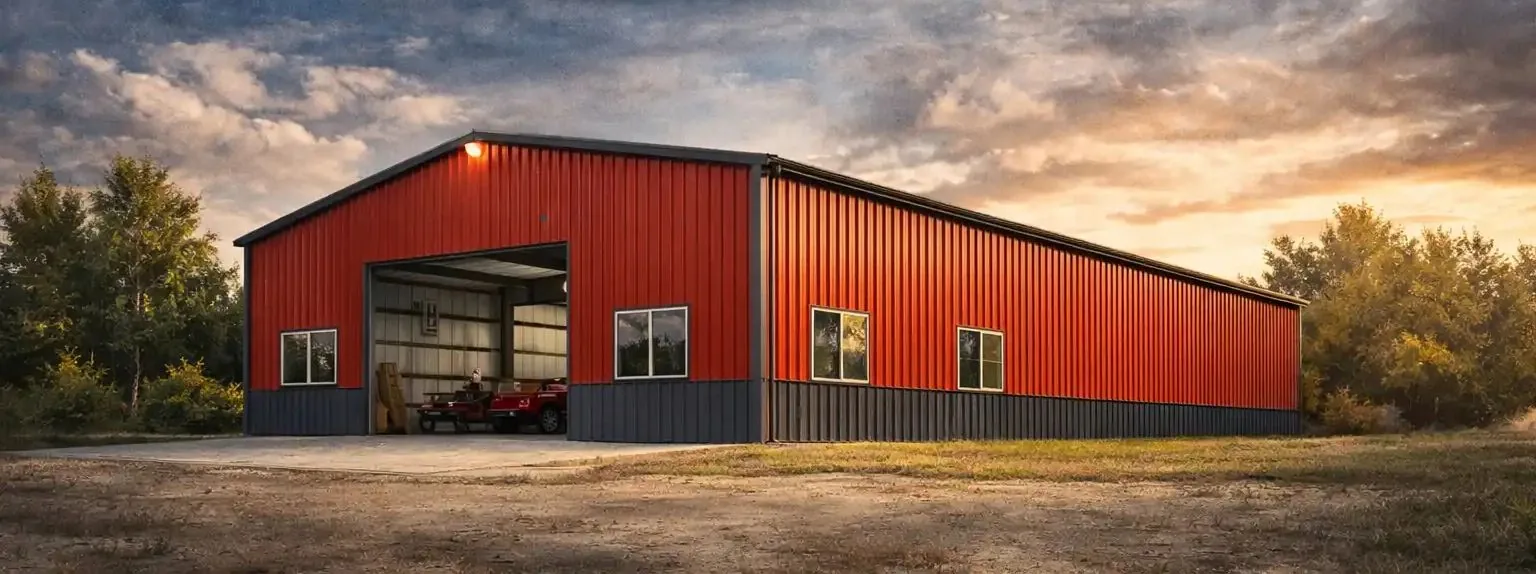
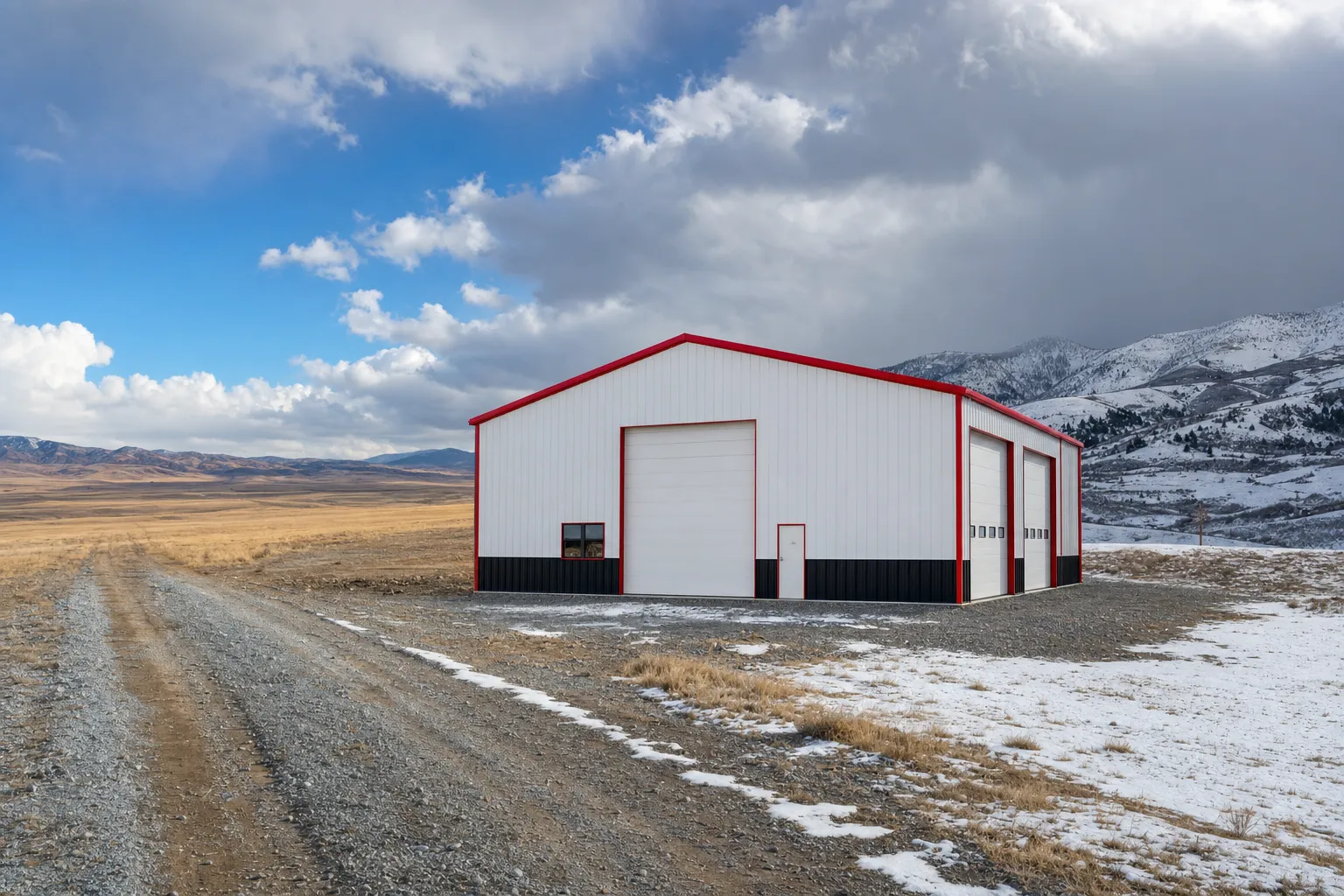
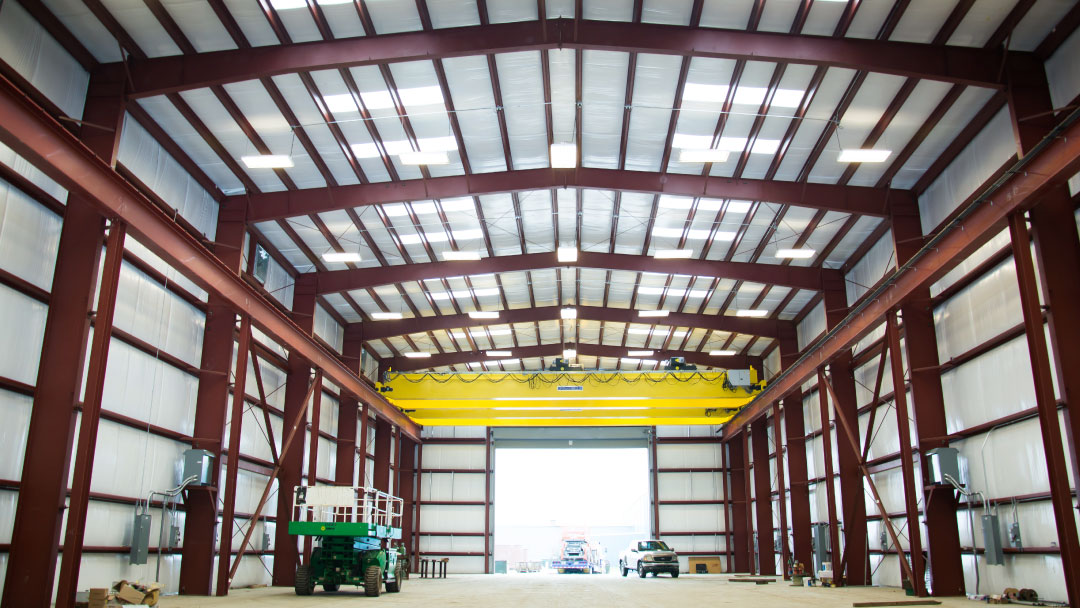
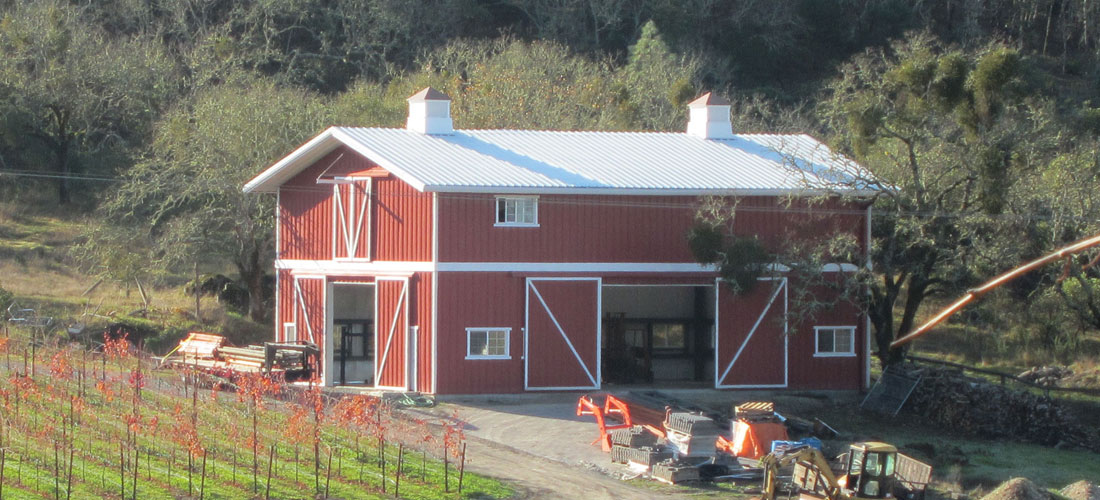



Barndominium insurance depends on the building, phase and activities
Barndominium insurance should be arranged around the actual building and its uses, with written answers for construction, occupancy and shop activities. Describe the residential space, shop, equipment and intended work accurately. Ask an insurer or licensed insurance professional which policies, limits and endorsements address those exposures and when each takes effect. Neither a metal frame nor the barndominium label establishes eligibility, coverage or a lower premium.
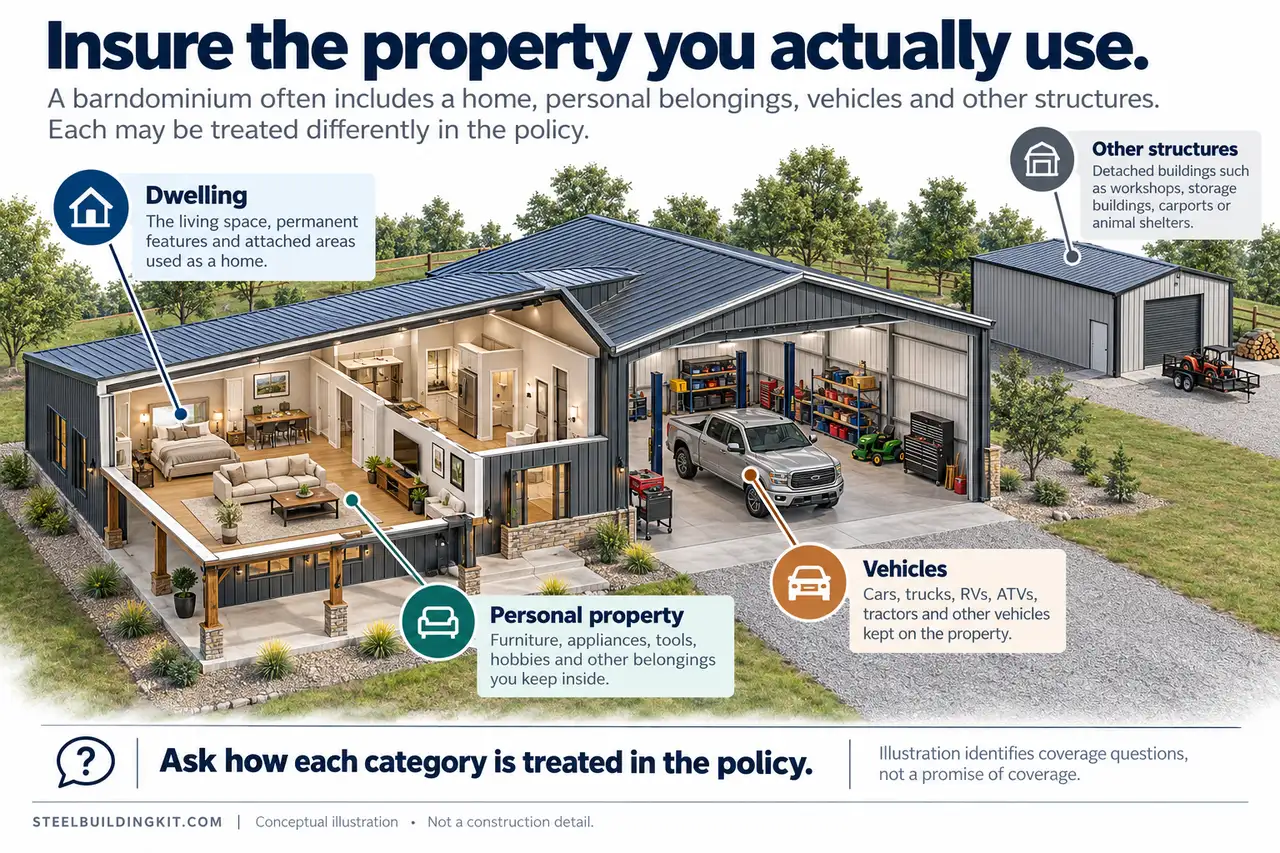
Think in three dimensions. First, the project changes over time: stored materials and an unfinished shell are different from an occupied home. Second, the property contains different things: the structure, household contents, vehicles, tools and property belonging to other people. Third, activities create different questions: personal storage, hobby work, customers visiting and paid repairs are not interchangeable descriptions. A useful submission makes all three dimensions visible instead of treating the entire project as one undifferentiated house.
The National Association of Insurance Commissioners homeowners guidance explains that homeowners insurance includes property and liability protection and that factors such as location, construction and local fire protection influence insurance decisions. Use those categories to organize the facts you provide. They do not support a premium prediction for a particular metal home, and they do not replace the terms of the policy being offered.
Begin before the first significant material commitment. If you discover at occupancy that the intended insurer needs different information about the shop, it may be harder to change the project or arrange the transition. An early discussion also clarifies whether the owner, builder or another party is obtaining particular construction coverage. Keep each responsibility documented rather than assuming that the statement the builder has insurance answers what happens to the owner's property after a loss.
Separate construction property coverage from liability questions
For the construction phase, ask what protects the work and materials from physical damage, who is insured and which causes of loss are covered. Ask separately about liability arising from activities on the site. These questions have different purposes. Evidence that a contractor has a liability policy should not be treated as proof that every building material or the owner's financial interest is insured under that policy.
Travelers describes its builders risk insurance as covering construction projects against repair or replacement costs for covered damage to materials at the insured structure. That is an insurer explanation of a type of product, not a promise about the policy available to you. Ask for the actual form, covered property description, endorsements and exclusions rather than assuming every builders risk contract contains the same protection.
Build a coverage timeline around real events. Include materials leaving the supplier, arriving at the site, being stored, becoming part of the structure and the point when the owner moves possessions in or begins occupancy. Ask the insurer which of these events changes coverage or requires notification. Do not assume that delivery, substantial completion, local occupancy approval and insurance transition all occur at the same moment.
- Who arranges the policy? Identify the responsible party and the interests the policy is intended to protect. Check that the written contract and insurance arrangement agree.
- What property is included? Ask about the building work, materials in transit, offsite storage and items the owner buys directly. Record exclusions rather than filling gaps with assumptions.
- Which events end or change protection? Ask about completion, occupancy, sale, expiration and changes in the construction schedule.
- What liability protection applies? Discuss site visitors, contractor responsibilities and the owner's position separately from damage to construction property.
Send schedule changes to the person arranging coverage while there is time to review them. An extended construction period, a different contractor or an earlier move-in can affect the questions that need answering. The practical goal is a documented chain of protection through the project phases, with clear responsibility for any change. A certificate or summary can be useful evidence of a policy, but ask the insurance professional to identify the contract provisions that answer the specific concern.
Describe replacement needs and contents without relying on market value
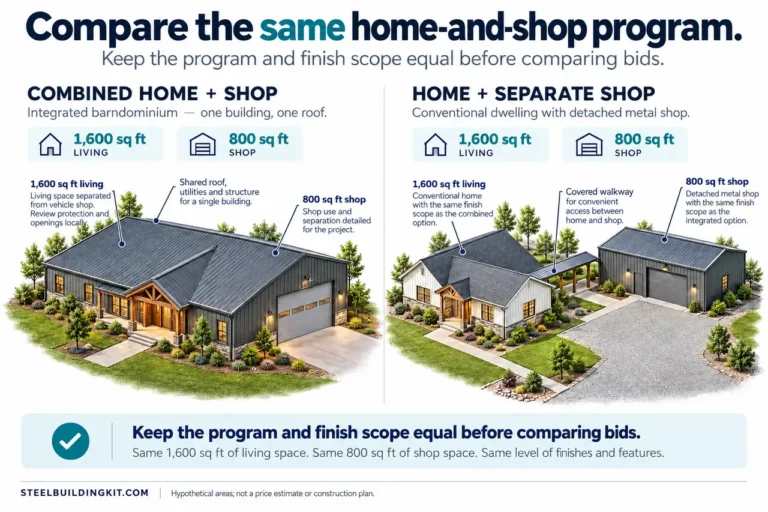
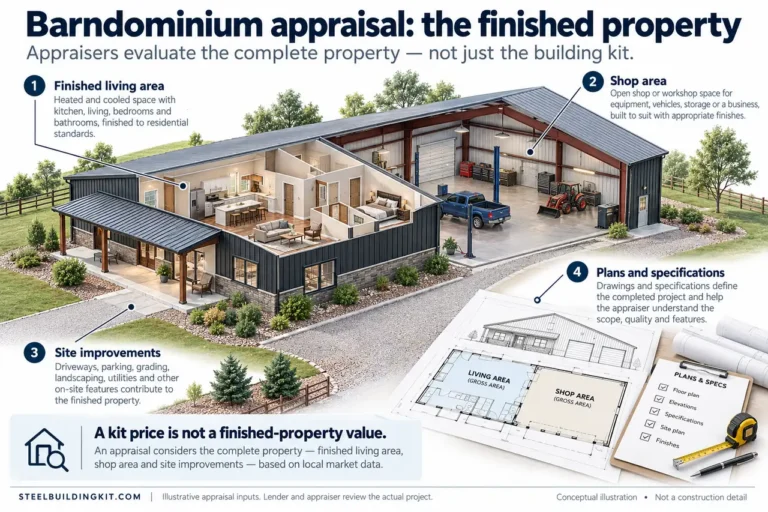
Use a detailed building description for the occupied-home discussion. Identify the frame and exterior assemblies, roof, finished living space, shop, attached and detached structures, permanent equipment and special features. Explain how the home is actually reached and protected locally. Do not substitute the shell invoice or a hoped-for sale price for the information an insurer uses to evaluate rebuilding needs.
The Texas Department of Insurance home insurance guide distinguishes replacement-cost and actual-cash-value approaches and explains that policies differ in their protections and exclusions. Its guidance is for Texas consumers; it is not a nationwide statement that every policy uses the same settlement provisions. Ask which basis applies to the dwelling, roof and contents in the offer you are considering, and read the corresponding conditions.
Inventory household contents and shop property as separate groups for discussion. Photograph or otherwise document significant tools, equipment and furnishings, keeping purchase records where available. Ask whether special limits, scheduling or a different policy apply to the items that matter most. A large overall contents limit does not by itself answer whether a particular category of property has a special restriction.
Be precise about ownership. Personal tools, a vehicle, equipment owned by a business and an item a friend leaves for repair raise different questions. List them clearly rather than describing everything as contents. Tell the insurance professional whether items leave the property, remain in a vehicle or are used elsewhere. The purpose is to obtain an answer that follows the property through its actual use, not to infer coverage from where the item happens to sit today.
Keep the building specification current if the project changes. A revised interior, different roofing product, added mechanical equipment or substantial shop improvement can make an earlier description incomplete. Ask when updated values or documents are needed. Review the policy at renewal and after a material change using the same inventory categories so new property is not lost inside a vague statement that the shop now contains more tools.
Personal shop activities and a home business need different discussions
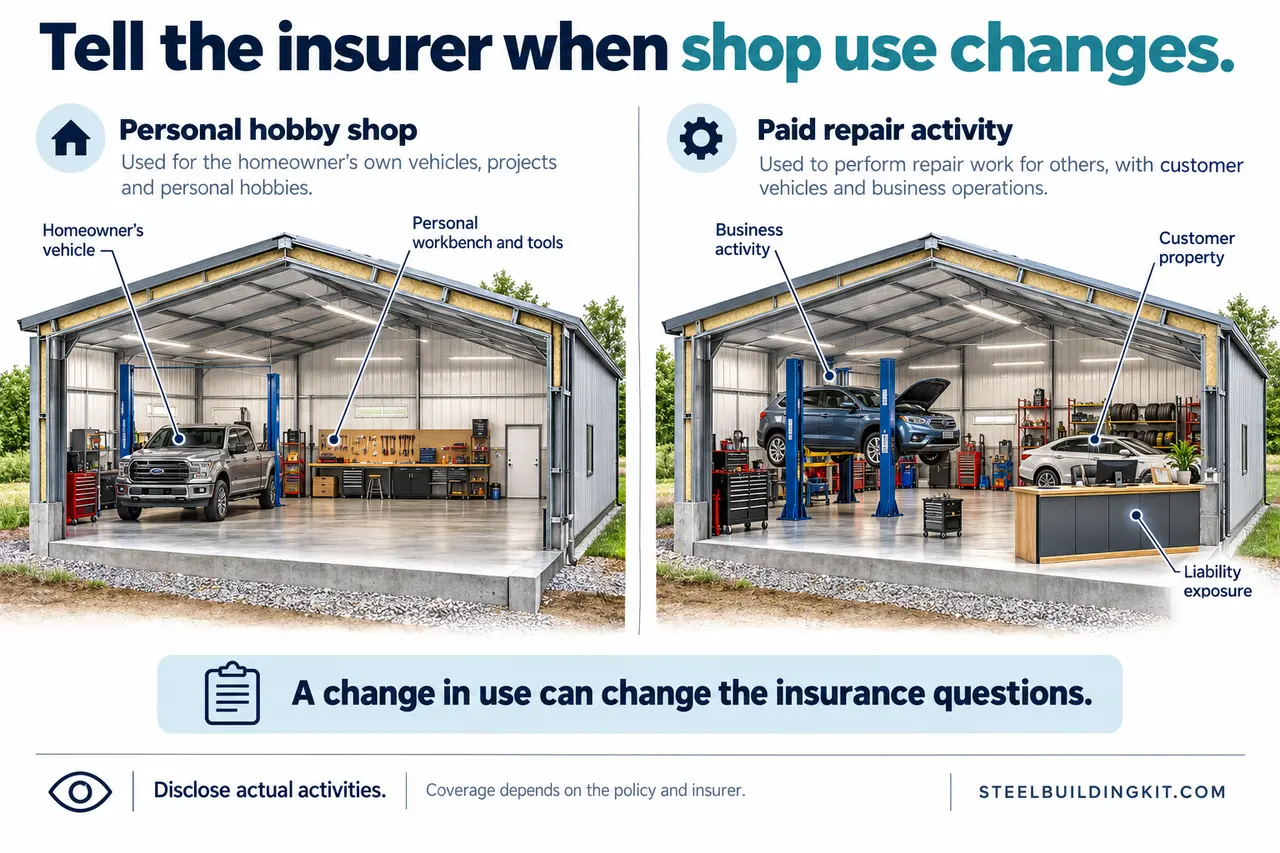
Explain what happens in the shop in ordinary language. Parking family vehicles and keeping household tools describes a different activity pattern from welding for customers, storing inventory or accepting property for paid repairs. Include the materials used, how often work occurs, whether others visit and whether anyone works there. An accurate account helps the insurance professional identify the relevant policy questions without relying on a label such as hobby shop.
NAIC guidance on small business insurance warns against assuming personal homeowners coverage adequately protects a home-based business. It identifies business-property and liability limitations as reasons to discuss endorsements or separate business coverage. Apply that guidance to the activity you actually propose. It does not mean every hobby requires a business policy, nor does it establish that an endorsement is available for every operation.
Describe exposures even if revenue is small or the activity is occasional. The insurer, policy language and applicable circumstances determine the answer; an owner-created income threshold is not a reliable shortcut. Ask about customer visits, completed work, stored customer property, stock, specialized equipment and any work away from the premises. Keep the answers with the activity description sent to the insurer so the basis for the discussion remains clear.
If the shop use is likely to expand, raise that possibility before construction. The required insurance arrangement may affect how the owner wants to separate activities, store property or organize the business. Insurance questions also sit alongside land-use, building and other requirements. A favorable insurance response does not establish that the activity is permitted locally, and a local approval does not establish that a policy covers it. Track the decisions separately.
Ask the professional to explain how any proposed endorsement or separate policy interacts with the home coverage. Which property and activities move into another contract? Which remain in the homeowners policy? Are there exclusions or overlapping responsibilities that need clarification? The objective is to understand the combined arrangement. More policy names do not automatically produce a better result if nobody can explain which contract responds to the actual situation.
Read the offer as a set of limits, conditions and exclusions
Compare barndominium insurance offers only after making the building and activity descriptions consistent. Then review the policy form, endorsements, covered property, settlement basis, limits, deductibles and exclusions. A premium without this context is an incomplete comparison. Two offers may protect different things or shift a different share of a loss to the owner. Request an explanation of material differences rather than choosing solely from the final price.
Review deductibles by cause of loss and applicable property, using the terms in the actual quote. Ask how a percentage deductible would be calculated if one applies. Do not infer the basis from the purchase price of the shell or assume the same deductible applies to every event. A straightforward written example from the insurer or agent can reveal a material difference between offers without turning this guide into an invented premium calculator.
Ask separately about flood, water damage, wind, hail and other exposures relevant to the site. The question is whether the proposed contract covers the particular cause and property, subject to what conditions. Avoid the shortcut that a broad label such as full coverage eliminates the need to read exclusions. If another policy or endorsement is proposed, identify its effective date and how its deductible and limit work.
Discuss rebuilding after a loss as a practical process. Ask about debris removal, code-related additional work, temporary living expenses and any conditions affecting replacement-cost payments. These are coverage questions, not a claim that all homeowners policies include the same benefits. An insurance professional should explain the offered terms and identify any limits that matter for the specific home. Keep the response with the relevant policy version.
Finally, confirm who must be listed and what documentation the lender needs. Coordinate the insurance effective dates with the construction and loan timetable. If a lender requests evidence of coverage, that request does not necessarily answer every personal-property or business-liability concern the owner has. Maintain the broader coverage checklist while satisfying the lender documentation requirement.
Worked example: a personal tool shop becomes a paid repair space
Consider a hypothetical household building a home with an attached shop for parking and personal woodworking. The initial insurance discussion describes personal vehicles, household tools and weekend projects without customers. Before occupancy, the owner decides to accept paid repair work and keep customer items onsite. The building dimensions have not changed, but the activity description has. That is the trigger for a new coverage conversation before the work starts.
Update the facts first. List the type of repairs, tools and materials, expected customer visits, ownership of stored property and whether anyone else will work there. Send the revised statement to the insurance professional instead of asking only whether the existing quote still looks acceptable. The useful question is which elements of the proposed arrangement are affected by those new facts and what written changes are necessary.
Follow three possible loss questions through the arrangement. What protects the building if a covered event damages the shop? What protects the household tools and the customer property? What liability protection applies if a visitor is injured or a claim arises from the paid work? Do not assume that one answer resolves all three. The insurance professional may propose different treatment, but eligibility and the actual policy terms must be confirmed.
Now test the timing. If the home policy begins on occupancy day and business protection is still being discussed, the owner should not treat a pending proposal as protection already in force. Obtain clear effective dates and written confirmation of the arrangement before relying on it. Likewise, do not cancel construction coverage based only on an expected move-in date without checking the conditions and the successor protection.
Reopen the coverage review when the phase, property or activity changes, even if the outer building stays the same. That is a practical planning method, not a rule deciding a claim. A policy professional must interpret the actual contract. The owner's role is to supply accurate information, retain the response and act only on coverage that has been arranged.
Prepare one consistent insurance submission
Create a single project description that you can keep current. Include the site address and access, building plans and specifications, construction schedule, anticipated occupancy, living and shop areas, intended activities and a contents summary. State what is confirmed and what is proposed. A consistent submission allows meaningful comparisons; different answers to insurers can produce offers that appear comparable while describing different risks.
Can you obtain homeowners insurance for a barndominium? The useful answer comes from insurers evaluating the particular building and uses. Ask early, provide the specifications and obtain a written offer with its conditions. Do not assume that rejection by one company means no market exists, or that an informal positive response means the completed project is accepted. Keep the actual underwriting and binding steps visible in the timetable.
Does steel construction make insurance cheaper? A material description alone is insufficient for a reliable comparison. Location, building characteristics, protection, chosen limits and policy terms also matter. Compare actual offers for the same risk and coverage rather than relying on an advertised percentage or an anecdote about another property. This guide makes no premium prediction because it has not obtained comparable offers for the reader's project.
What should you send when something changes? Send the revised fact and explain when it will take effect. Examples include a postponed completion, early occupancy, new equipment, a detached structure or changed shop use. Ask whether coverage needs updating and retain the written answer. The goal is a maintainable record, not a one-time application that becomes inaccurate as the project develops.
Keep that record alongside the contract and project scope discussed in the steel building buyers guide. Before relying on an arrangement, confirm the named interests, property descriptions, activities, effective dates and outstanding conditions. A clear submission and a reviewed policy make the next decision concrete: what protection is in place now, what changes at the next project phase and who is responsible for arranging it.