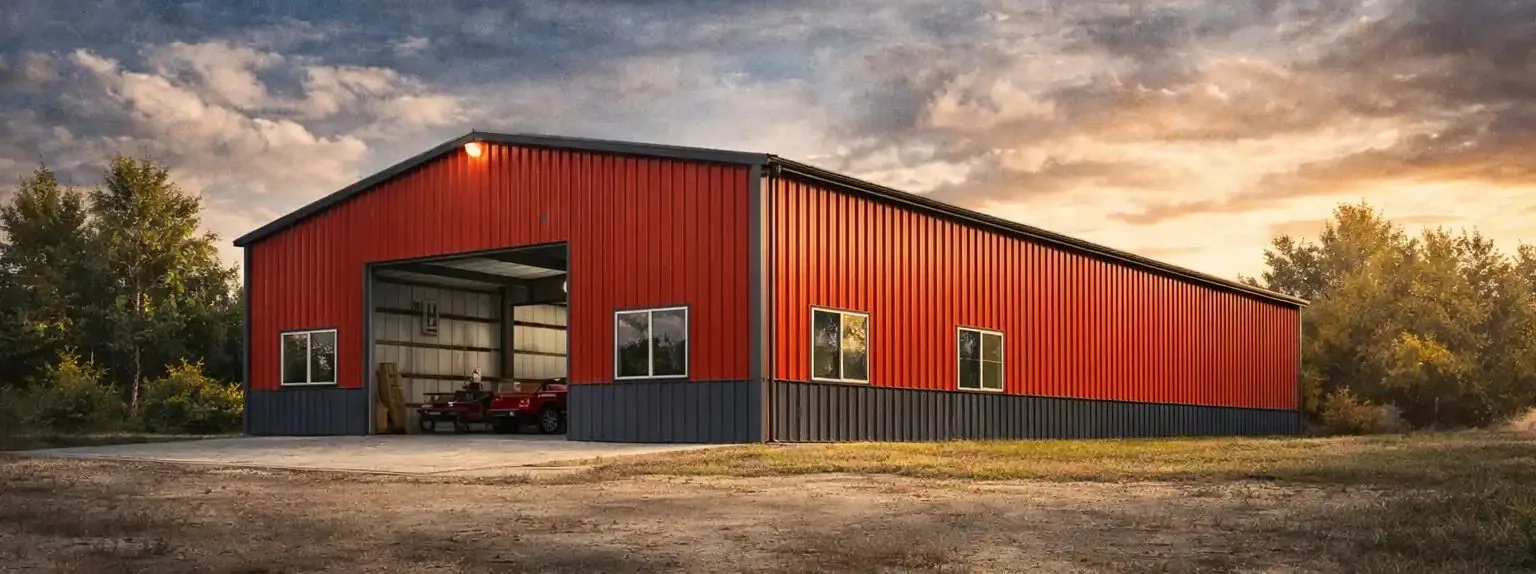
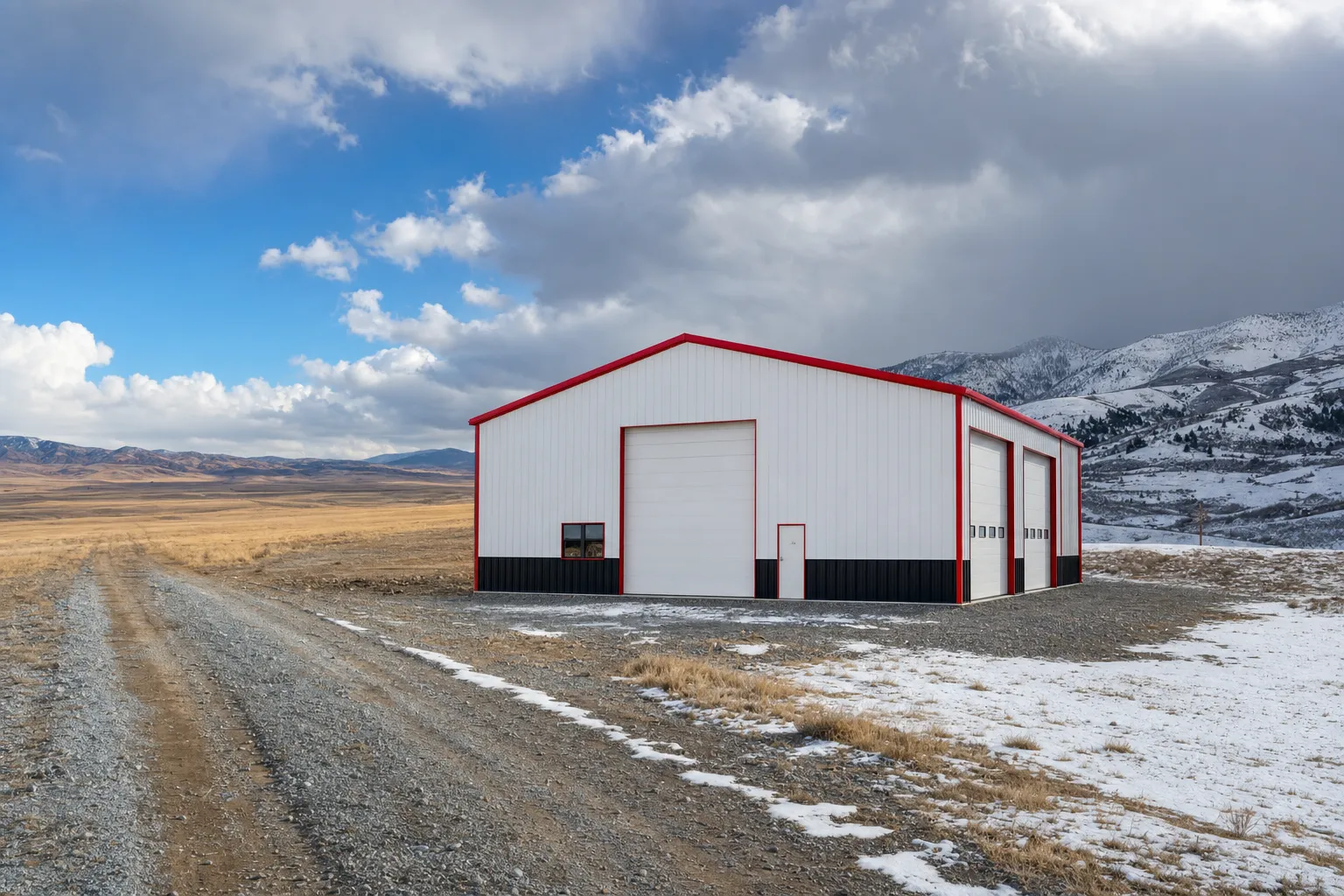
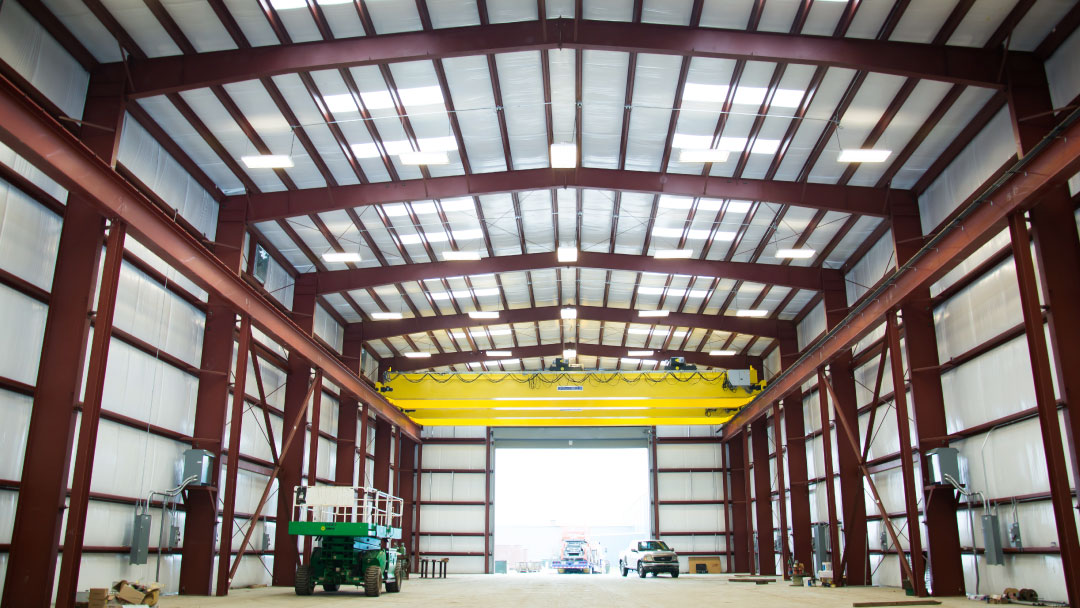
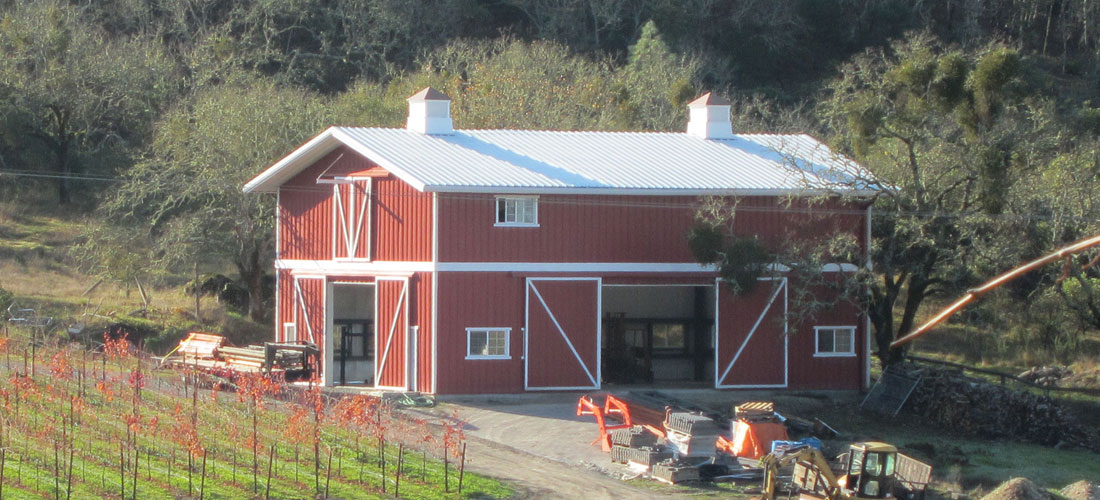

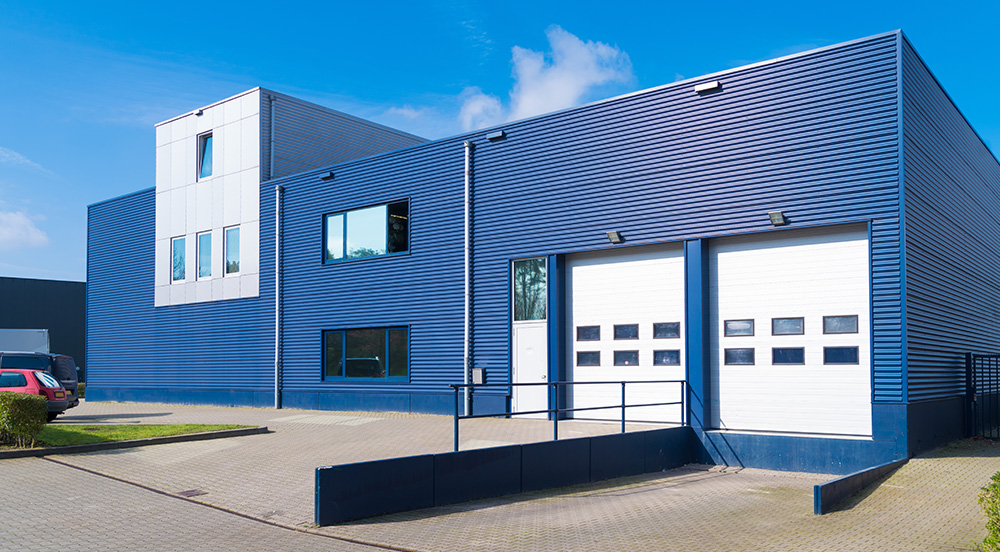

When you first begin shopping for a new structure for your property, the advertised kit prices often seem incredibly affordable. You might see a massive thirty by forty foot workshop listed for a price that fits perfectly into your budget. However, a massive financial shock awaits buyers who do not understand the secondary requirements of construction. The framework is only half of the equation. In this god tier guide, we are going to dive deep into the true steel building foundation cost. We will uncover everything you need to know about pouring a proper metal garage concrete slab, and we will explain the complex and often expensive reality of frost footings for metal buildings. By the end of this comprehensive resource, you will have a perfect understanding of the hidden costs that catch thousands of buyers off guard every single year.
The concrete foundation is the absolute backbone of your entire project. If you cut corners on the site preparation or the concrete mix, your building will inevitably suffer structural failures. Concrete is not just a hard surface to park your car on. It is an engineered anchor system designed to keep your steel building firmly attached to the earth during hurricane force winds. It is a moisture barrier that prevents groundwater from destroying your tools and vehicles. Understanding these components is critical to keeping your project on budget and avoiding disastrous delays.
The Biggest Financial Shock in the Steel Building Industry
Go to any online forum discussing barndominiums or metal workshops and you will find hundreds of identical complaints. A buyer purchases a steel shell for twenty thousand dollars and then receives a quote from a local concrete contractor for another twenty thousand dollars just to pour the floor. Buyers are consistently blindsided by the cost of site preparation and concrete delivery.
The reason for this disconnect is that metal building manufacturers sell steel. They do not sell dirt, gravel, rebar, or cement. Because regional labor rates and material costs vary wildly across the country, no manufacturer can accurately quote your foundation costs. It is entirely up to you, the property owner, to budget for the earthwork. Concrete is heavy, labor intensive, and heavily regulated by local building codes. You must approach the foundation phase of your project with the exact same level of scrutiny and financial planning as the building purchase itself.
Breaking Down the Metal Garage Concrete Slab
Not all concrete floors are created equal. The specific use case of your building dictates the engineering requirements of your slab. A building meant to store lightweight lawn equipment requires a vastly different foundation than a commercial garage housing heavy diesel trucks and automotive lifts.
Standard Four Inch Slabs Versus Heavy Duty Six Inch Slabs
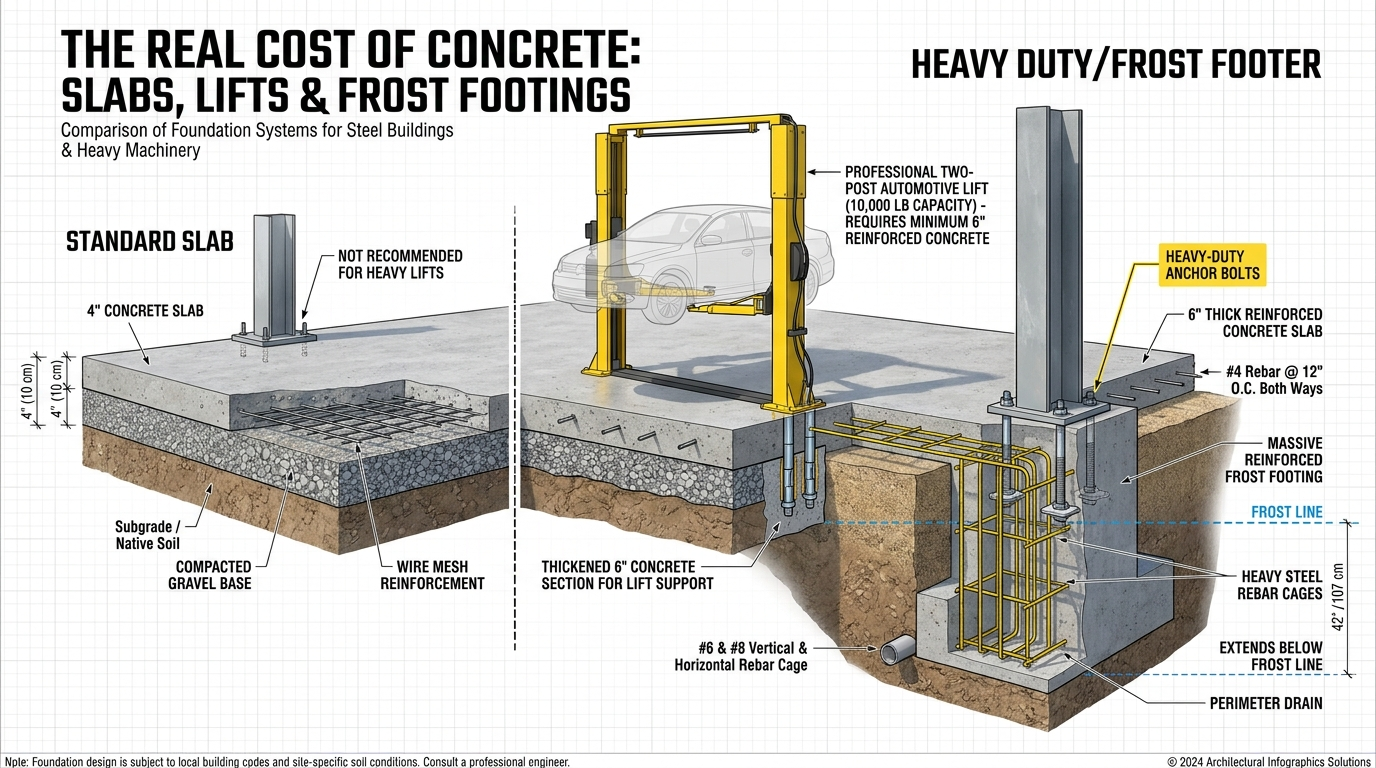
For a standard residential garage or a basic storage shed, a four inch thick concrete slab is usually sufficient. This standard thickness, poured with a three thousand PSI (pounds per square inch) concrete mix and reinforced with steel wire mesh, can comfortably support standard passenger vehicles, riding lawnmowers, and general household storage.
However, the moment you decide to introduce heavy machinery to the environment, a four inch slab becomes entirely inadequate. If you plan to park a heavily loaded recreational vehicle, a tractor, or a commercial forklift inside your building, you must upgrade to a six inch thick slab. This upgrade requires fifty percent more concrete volume and significantly more labor to pour and finish. Furthermore, a six inch slab requires a stronger grid of half inch steel rebar rather than flimsy wire mesh. This additional steel reinforcement prevents the concrete from cracking under immense localized pressure.
The Hidden Costs of Installing a Two Post Car Lift
One of the most common reasons people build metal garages is to install a two post automotive lift for repairing vehicles. This is where foundation costs can skyrocket unexpectedly. A two post lift concentrates the entire weight of a vehicle onto two very small steel base plates.
If you attempt to bolt a ten thousand pound capacity car lift to a standard four inch slab, the bolts will inevitably pull out of the concrete, or the slab itself will shatter under the stress. Lift manufacturers strictly require a minimum of six inches of four thousand PSI concrete beneath the lift columns.
If you are planning your foundation, you have two choices. You can either pay to have the entire building slab poured at six inches thick, which is incredibly expensive, or you can have your concrete contractor pour isolated footings. Isolated footings involve digging deeper pits exactly where the lift columns will be placed, filling those specific areas with thicker concrete and heavy rebar, and then pouring a standard four inch slab over the rest of the floor. While isolated footings save money on the total volume of concrete, the precise measuring and framing required add significant labor costs to your project.
Understanding Frost Footings for Metal Buildings
If you live in a climate where the ground freezes during the winter, you face an entirely different set of foundation challenges. This is the single most misunderstood and under budgeted aspect of building a metal structure in northern states.
What is the Frost Line?
When water inside the soil freezes, it expands. This expansion creates a powerful upward force known as frost heave. If the edges of your concrete slab sit directly on top of soil that freezes, the frost heave will literally lift the edges of your building right out of the ground. When the ground thaws in the spring, the building settles back down. This constant upward and downward shifting will twist the steel frame, pop the metal siding panels off their screws, and completely destroy your foundation over just a few winters.
To prevent this, local building codes dictate a specific frost line depth. The frost line is the maximum depth that groundwater is expected to freeze in your specific county. In southern states, the frost line might be zero inches. In places like Minnesota or Maine, the frost line can be forty eight inches deep or more.
Monolithic Slabs Versus Pier and Beam Systems
To protect your building from frost heave, your concrete foundation must extend below the frost line. There are generally two ways to achieve this.
The first method is a monolithic slab with frost walls. The excavation team digs a massive trench around the entire perimeter of your building footprint, extending all the way down to the frost line depth. This entire trench is filled with concrete and reinforced with a massive cage of rebar, pouring seamlessly into the surface slab. This method requires a staggering amount of concrete and thousands of dollars in excavation work.
The second method involves pouring a floating slab with isolated concrete piers. The contractor drills deep holes at specific load bearing intervals around the perimeter, fills them with concrete to below the frost line, and then anchors the steel columns to these deep piers. The interior floor slab is then poured independently. While this uses less concrete than a full perimeter trench, the drilling equipment and complex anchor bolt placement require highly skilled, expensive labor.
Excavation and Site Preparation Expenses
You cannot pour concrete on raw, unprepared dirt. The site preparation phase is where many budgets go to die. Before a single cement truck arrives on your property, a heavy equipment operator must transform your land into a perfect canvas.
Grading and Compaction
The area where your building will sit must be perfectly level. If you are building on a sloped piece of land, an excavation crew must bring in bulldozers to cut into the hill and build up the lower side. The dirt they use to build up the lower side cannot just be loose topsoil. All organic material, like grass and roots, must be completely scraped away because organic material rots and compresses over time, which would leave an empty void under your concrete.
Once the organic material is removed, the crew must bring in crushed stone or structural fill dirt. This material is spread in layers and heavily compacted with a vibratory roller. If the soil is not compacted to strict engineering standards, the ground will settle after the building is erected, causing the concrete slab to crack straight down the middle. Renting heavy machinery and paying for truckloads of engineered gravel can easily add thousands of dollars to your site preparation costs before the concrete is even ordered.
Rat Rails and Edge Thickening
Even if you do not live in an area that requires deep frost footings, your perimeter cannot simply be four inches thick. Building codes require edge thickening, often referred to as a rat rail. A rat rail is a trench dug around the perimeter of the slab, usually twelve to sixteen inches deep and twelve inches wide.
This thickened edge serves two purposes. First, it acts as a massive anchor ring that prevents high winds from lifting the building. The structural steel columns of your kit are bolted directly into this thickened concrete perimeter. Second, it prevents rodents and pests from burrowing underneath your concrete floor. Digging this perimeter trench by hand or with a mini excavator adds a full day of labor to your foundation bill.
Calculating Your Total Steel Building Foundation Cost
When you start requesting quotes from local masons and concrete contractors, it is crucial to understand how they are arriving at their numbers. A professional quote should never be a single lump sum. It should be broken down into clear categories.
Cost Per Square Foot Analysis
In the construction industry, concrete is generally priced in two ways: the cost of the raw material per cubic yard, and the finished cost per square foot. The raw material cost from the batch plant is relatively stable within a specific region. However, the finished cost per square foot includes the labor, the rebar, the vapor barrier, the wood framing forms, and the final trowel finish.
For a basic four inch slab with minimal site preparation, you might see quotes ranging from six to eight dollars per square foot. If your project requires extensive grading, deep frost footings, vapor barriers, and heavy six inch reinforcement for car lifts, the finished price can easily skyrocket to twelve to eighteen dollars per square foot. Therefore, a two thousand square foot building could cost anywhere from twelve thousand to thirty six thousand dollars just for the concrete work.
Labor Versus Material Ratios
A common misconception is that the high price of a foundation is driven entirely by the cost of cement. In reality, modern foundation work is incredibly labor intensive. You are paying a crew of skilled tradesmen to build complex wooden forms perfectly level over a massive area. You are paying them to manually tie thousands of intersections of steel rebar. You are paying them to work quickly and flawlessly while the concrete cures, using heavy power trowels to create a glass smooth finish.
When reviewing your quotes, remember that cheap labor usually results in terrible concrete. A poorly finished slab will have high and low spots, causing water to pool inside your garage and making it impossible to install large rolling doors correctly.
Why You Need Engineered Foundation Drawings
You cannot simply guess how thick your concrete needs to be. Before your local building department will issue a permit for your project, they will demand stamped engineering drawings for both the steel framework and the concrete foundation.
The metal building manufacturer will provide the drawings for the steel structure. However, they will often only provide a generic foundation requirement based on the weight of their steel. You must take those structural loads to a local civil engineer or an experienced concrete contractor who understands your specific soil composition.
Sand, clay, and rocky soil all bear weight differently. A local engineer will take the structural loads provided by the steel manufacturer and design a foundation plan tailored exactly to your property. This plan will specify the exact placement of the steel anchor bolts, the required depth of the footings, and the necessary PSI of the concrete mix. Attempting to pour a foundation without these engineered plans is the fastest way to have your project shut down by a county inspector.
Conclusion and Next Steps
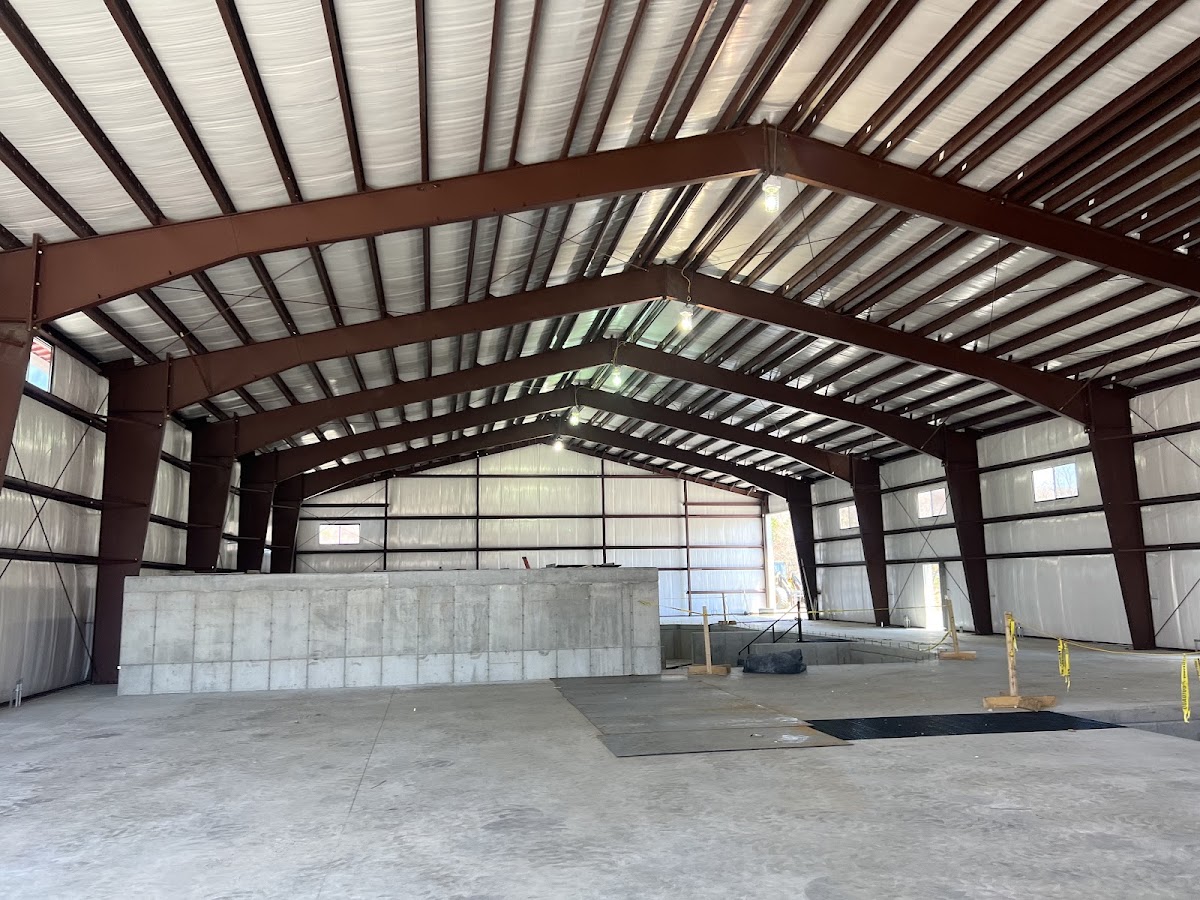
The framework of a metal building is a marvel of modern engineering, providing vast clear span spaces and incredible durability. But that steel shell is completely useless without a properly engineered foundation beneath it. When you are budgeting for your project, you must account for the site grading, the gravel compaction, the perimeter footings, the rebar, and the finished concrete slab.
Do not let the sticker shock of a proper foundation deter you from your project. Instead, use this god tier resource to plan your budget accurately from day one. Contact your local building department immediately to verify the frost line depth in your county, and start soliciting quotes from reputable concrete contractors before you ever sign a contract for the steel building itself. By understanding the true cost of concrete, you protect your investment and guarantee your building will stand strong for generations to come.