


SteelBuildingKit Cost Index · Updated July 10, 2026 · Pricing collected June-July 2026
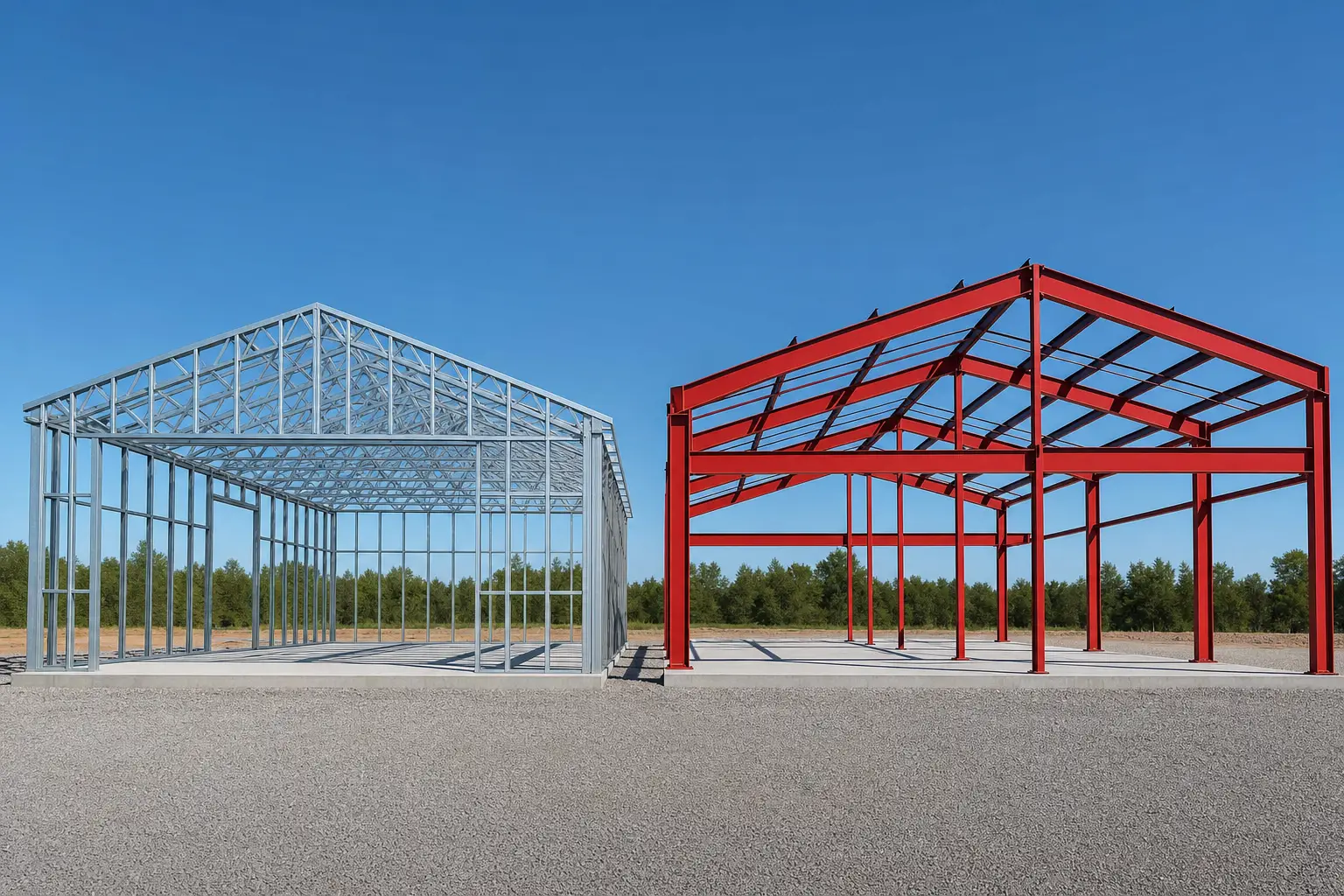
A cold-formed steel building kit costs $10 to $18 per square foot against $12 to $25 per square foot for a red iron rigid frame kit (modeled national ranges, July 2026). The price question is settled by an engineering question: cold-formed frames clear-span to roughly 40-50 feet and carry lighter loads, so under that line they save 10-20%, and past it red iron is the only honest quote on the table.
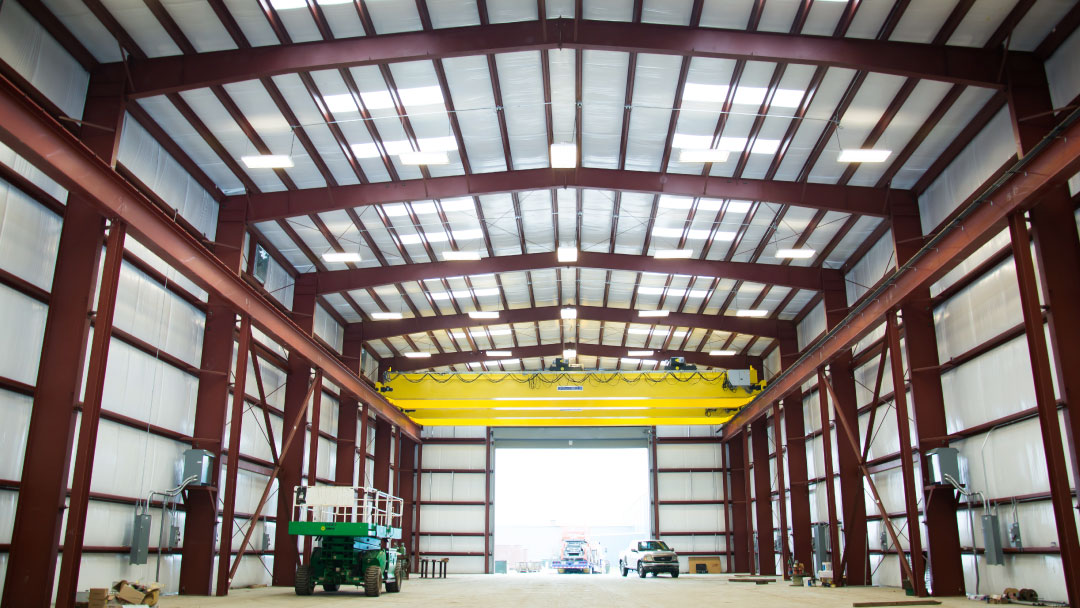
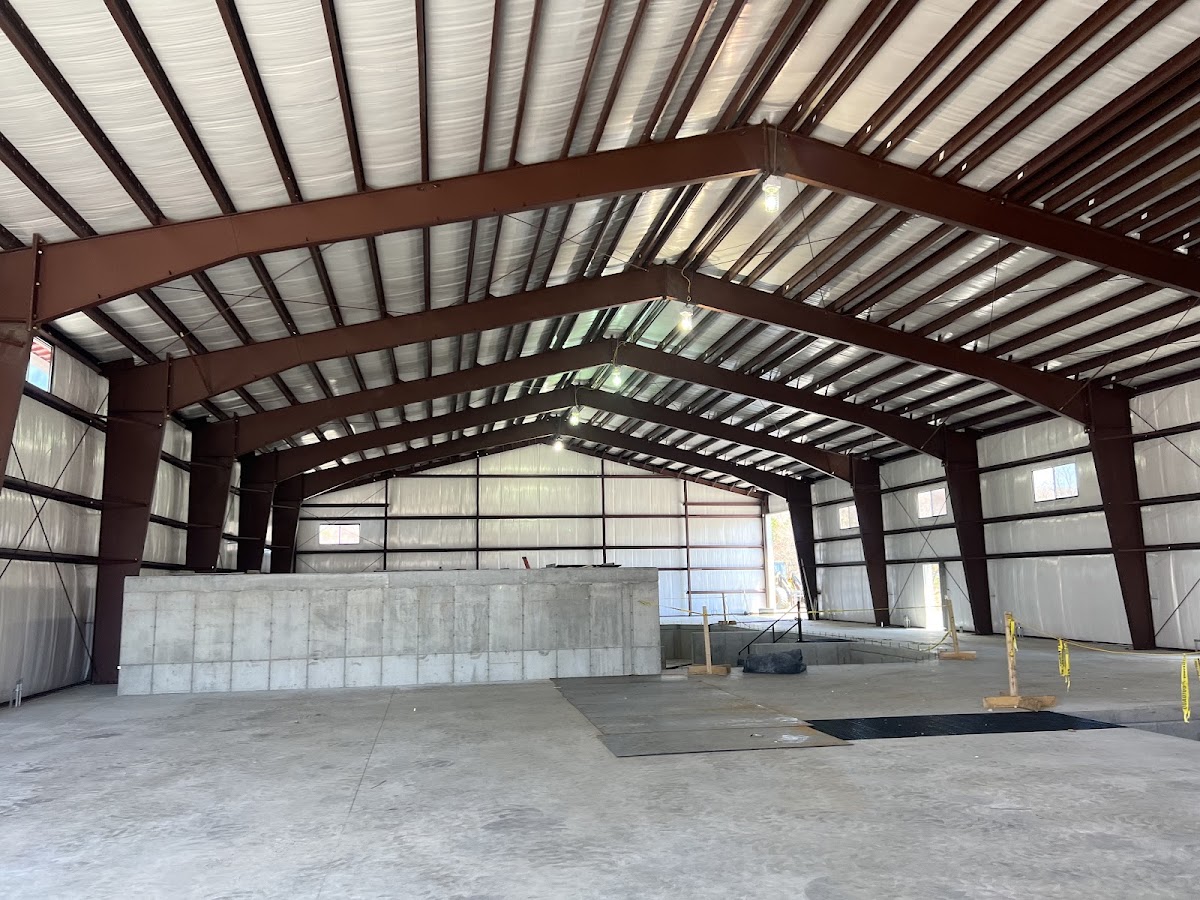
Cold-formed buildings frame with light-gauge steel bent from sheet: C-sections and channels bolted into trusses and columns, light enough to lift by hand. Red iron frames with hot-rolled I-beams: heavy, welded, effectively unlimited in span and load. Our metal building prices by frame type guide lines up all four kit systems at a glance; this page, part of the quonset and framing cost hub, runs this specific two-way decision, because it is the one garage and small-shop buyers actually face.
| What you’re pricing | Cold-formed modeled | Red iron modeled |
|---|---|---|
| Kit price per sqft | $10 – $18 | $12 – $25 |
| Practical clear span | To roughly 40-50 ft | 40 – 200 ft |
| 30×40 kit | $13,000 – $19,000 | $17,000 – $25,000 |
| 30×40 turnkey | $29,000 – $42,000 | $36,000 – $54,000 |
| Erection | Lighter members; often no crane | Crew and crane work, $4 – $10/sqft |
| Load appetite | Light collateral loads only | Cranes, mezzanines, heavy snow, tall eaves |
Kit = engineered steel package with stamped drawings. Turnkey = kit, delivery, 4-inch slab, and erection at matching spec. National mid-ranges, July 2026.
Ranges are modeled national estimates from published cold-formed and red iron supplier price lists collected June-July 2026, cross-checked against component benchmarks: slab concrete at $6-$12/sqft, erection labor by frame weight, and freight lanes. Cold-formed pricing clusters tightly below its span limit and disappears above it, so comparisons here stay inside the sizes both systems genuinely quote. All figures labeled modeled; full methodology in the SteelBuildingKit Cost Index.
The worked math on a 30×40
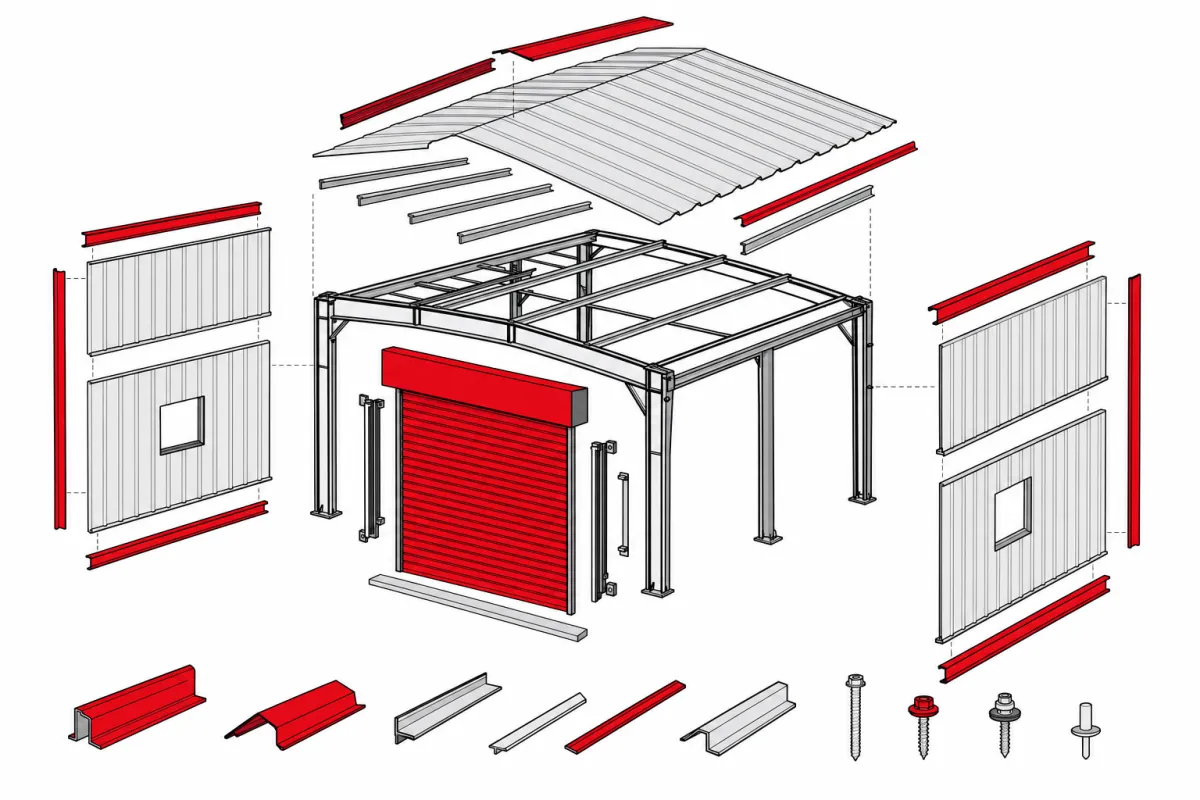
At 30 feet of width, both systems quote comfortably, so the comparison is clean. Cold-formed at national mid-range rates: a $15,000 kit, $1,000 freight, a $9,000 slab ($7.50/sqft), $5,400 erection at $4.50/sqft with no crane day, and $700 in permits models at $31,100, about $26 per square foot. The same building in red iron: a $21,000 kit, $1,500 freight, the same $9,000 slab, $7,800 erection at $6.50/sqft with heavier iron, and $700 permits models at $40,000, about $33 per square foot. That $6,000-$10,000 spread is the cold-formed pitch in one line, and it holds across garages, hobby shops, and light barns under the span limit. Rebuild it for your own size and county in the steel building cost calculator.
What decides it: span and load, not price
| If your project has… | Answer | Why |
|---|---|---|
| Width at 40 ft or less, light loads | Cold-formed | Full 10-20% savings, easier erection |
| Width past 50 ft | Red iron | Cold-formed stops quoting; spans need I-beams |
| Snow country at 40+ psf | Red iron (usually) | Light-gauge load tables run out early |
| Eave height past ~14-16 ft | Red iron | Tall columns want hot-rolled sections |
| Crane, mezzanine, or hung loads | Red iron | Collateral loads exceed light-gauge appetite |
| DIY erection ambitions | Cold-formed | Hand-liftable members, bolt-up assembly |
Read the table top-down and notice what is missing: price. Below the span and load line, cold-formed wins on money almost automatically; above it, the comparison does not exist because reputable cold-formed suppliers simply decline the job. The buildings where buyers genuinely deliberate are 30-40 feet wide in moderate load counties, and there the honest tiebreakers are the future ones: a mezzanine someday, a heavier door, a lean-to, or resale to a buyer who expects red iron. For a straightforward metal garage or hobby shop that will stay what it is, the lighter frame keeps its 10-20%. And if pure enclosed square footage per dollar is the whole mission, arch-style buildings undercut both systems at $8-$20/sqft kit; the quonset hut cost guide prices that third door honestly.
How your location moves the comparison
Location decides this comparison more often than preference does, because loads are the eligibility test. County snow and wind engineering adds 8-15% to either kit, but heavy-load counties push cold-formed frames toward heavier sections faster, shrinking the savings exactly where winters are hard; at 40+ psf design snow many light-gauge suppliers stop bidding. Frost depth moves both systems’ slabs identically, adding $800-$2,000 in northern counties. Freight runs $500-$3,000+ either way, with cold-formed bundles lighter and cheaper to haul. Erection labor swings a few thousand in local markets, with cold-formed’s no-crane assembly less exposed to it. Permits run $150-$4,000; both systems arrive with stamped drawings that plan reviewers know. Net: mild-climate buyers keep the full cold-formed discount, snow-belt buyers often lose it to load tables before they lose it to price.
The comparison checklist
- Same footprint, eave, door schedule, and insulation on both quotes
- Both kits engineered to YOUR county’s snow and wind loads, stamped drawings included
- Cold-formed quote confirms your width and eave sit inside the supplier’s span tables
- Future loads declared now: mezzanines, hoists, and hung equipment change the answer
- Erection quotes state crane or no-crane; that difference is real money
- Panel gauge and warranty identical across quotes, not “equivalent”
- Freight to your address on both quotes, not “FOB factory”
- Price-lock window in writing on both; steel surcharges apply to light gauge too
If this page answered your question, the natural next reads are quonset vs pole barn cost and tubular vs red iron cost.
Cold-formed vs red iron FAQs
Is cold-formed steel cheaper than red iron?
Under its span limit, yes: $10-$18/sqft against $12-$25/sqft for the kit, and typically 10-20% less turnkey (modeled July 2026). The savings come from lighter steel and easier erection. Past roughly 40-50 feet of clear span or into heavy load territory, cold-formed stops being quotable and the question answers itself.
How big can a cold-formed steel building go?
Practically, to roughly 40-50 feet of clear width and moderate eave heights, with length essentially unlimited. Load appetite is the tighter constraint: heavy snow counties and collateral loads like cranes or mezzanines exhaust light-gauge tables early. If a supplier stretches past their published span tables to win your job, treat that as a warning, not a bargain.
Is a cold-formed building weaker than red iron?
Not within its rating: both arrive with stamped engineering to the same IBC and ASCE 7 loads for your county. The difference is headroom. Red iron carries concentrated and future loads that light gauge cannot, which matters if the building’s job might grow. Buy stamped loads either way and the safe answer is the frame that fits the mission, not the heavier one by default.
Can I erect a cold-formed building myself?
This is the most DIY-realistic straight-wall system: members lift by hand, connections bolt, and small buildings go up without a crane, keeping most of the $4-$10/sqft erection line (modeled July 2026). Red iron primary frames are crew-and-crane work. Owner-built cold-formed garages are common; owner-built red iron shops are rare for good reason.
Which is better for a 30×40 garage or shop?
If the county’s loads are moderate and the plan is a garage that stays a garage: cold-formed, at roughly $29,000-$42,000 turnkey against $36,000-$54,000 (modeled July 2026). If the shop might gain a mezzanine, a hoist, taller doors, or an addition, red iron’s headroom is worth its premium. Price both; the quotes are free and the spread tells you what your county thinks.
Ready to price this building for real? Compare verified metal building companies for this project type, with real reviews and track records.
Sources and methodology: published supplier price lists and advertised kit pricing (June-July 2026); component cost benchmarks for ready-mix concrete, erection labor, and freight; IBC and ASCE 7 for load context. All figures are modeled national estimates, labeled as modeled, and reviewed quarterly; see the full Cost Index methodology. This guide links to our independent company directory; listings never change published numbers.
Written by the Steel Building Editorial Team | Last updated July 10, 2026